Websites · Custom website design
Custom website design built around your business.
Several pages designed from your offer and your buyer’s questions, an editor your team can use, and speed on a phone as part of the build. Hosting and domain in your name. From €1 000, fixed in writing after a short call.
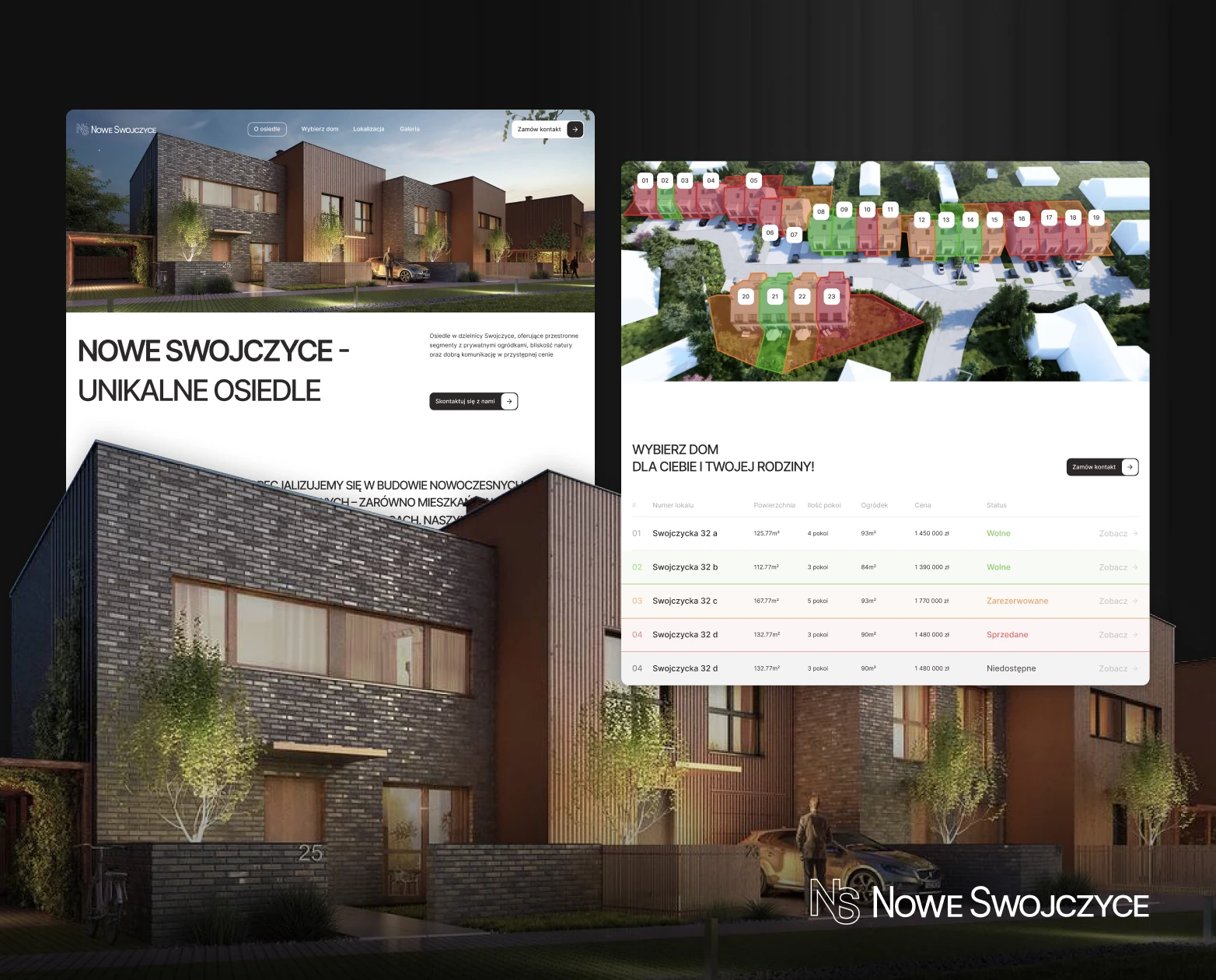
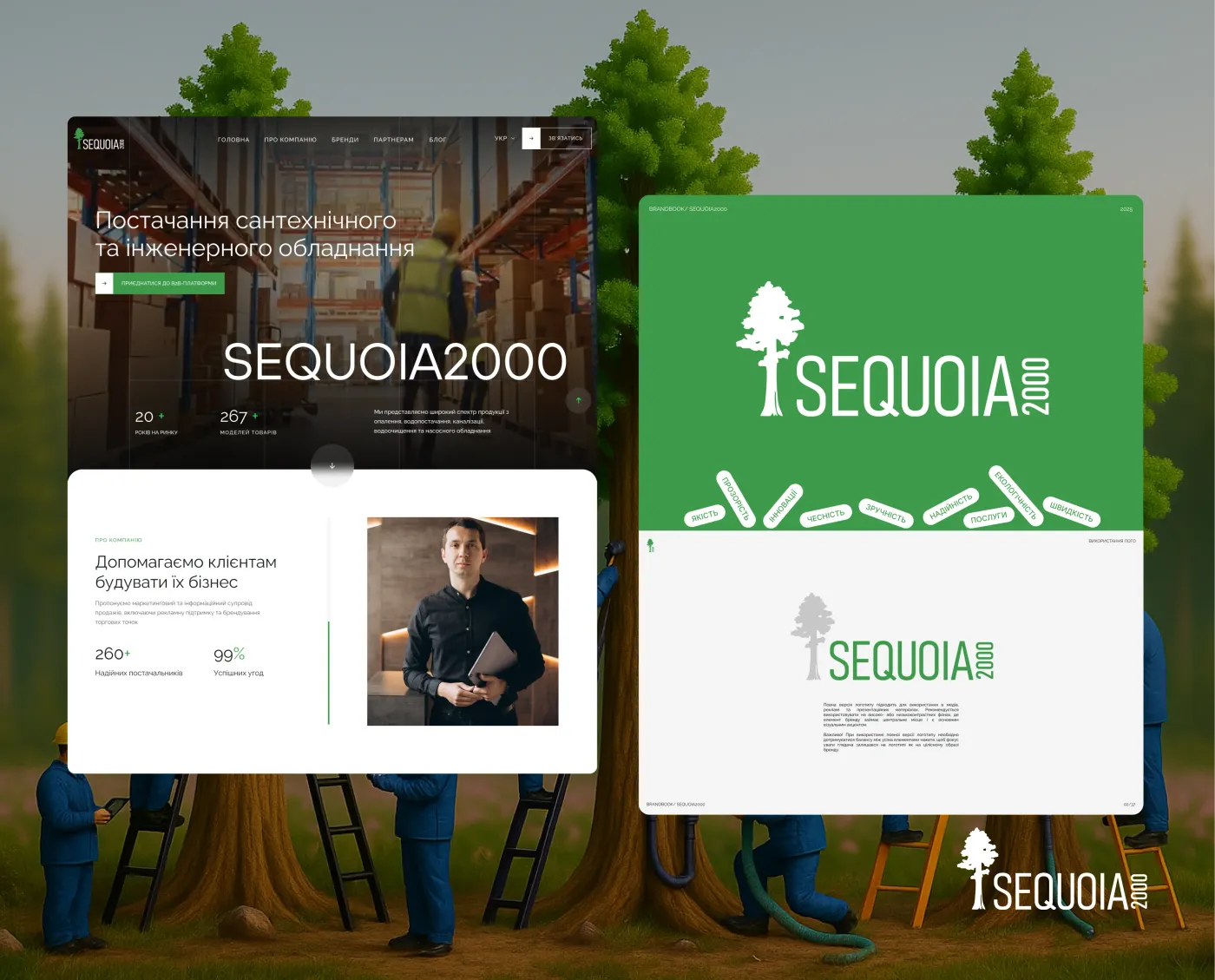
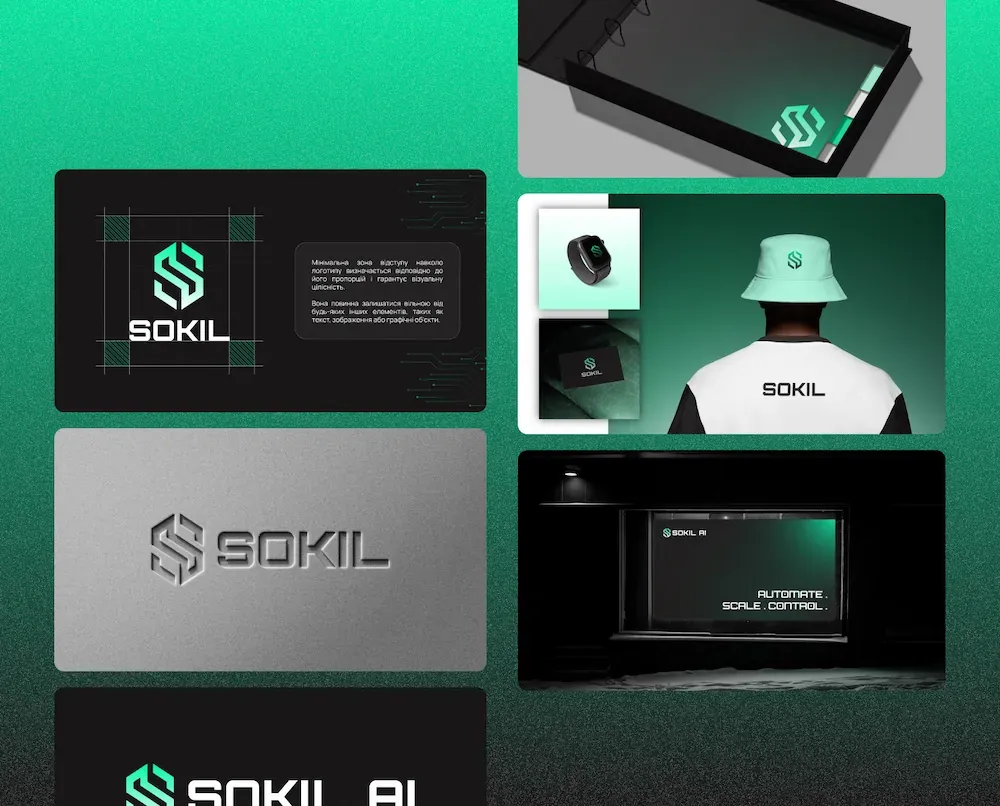
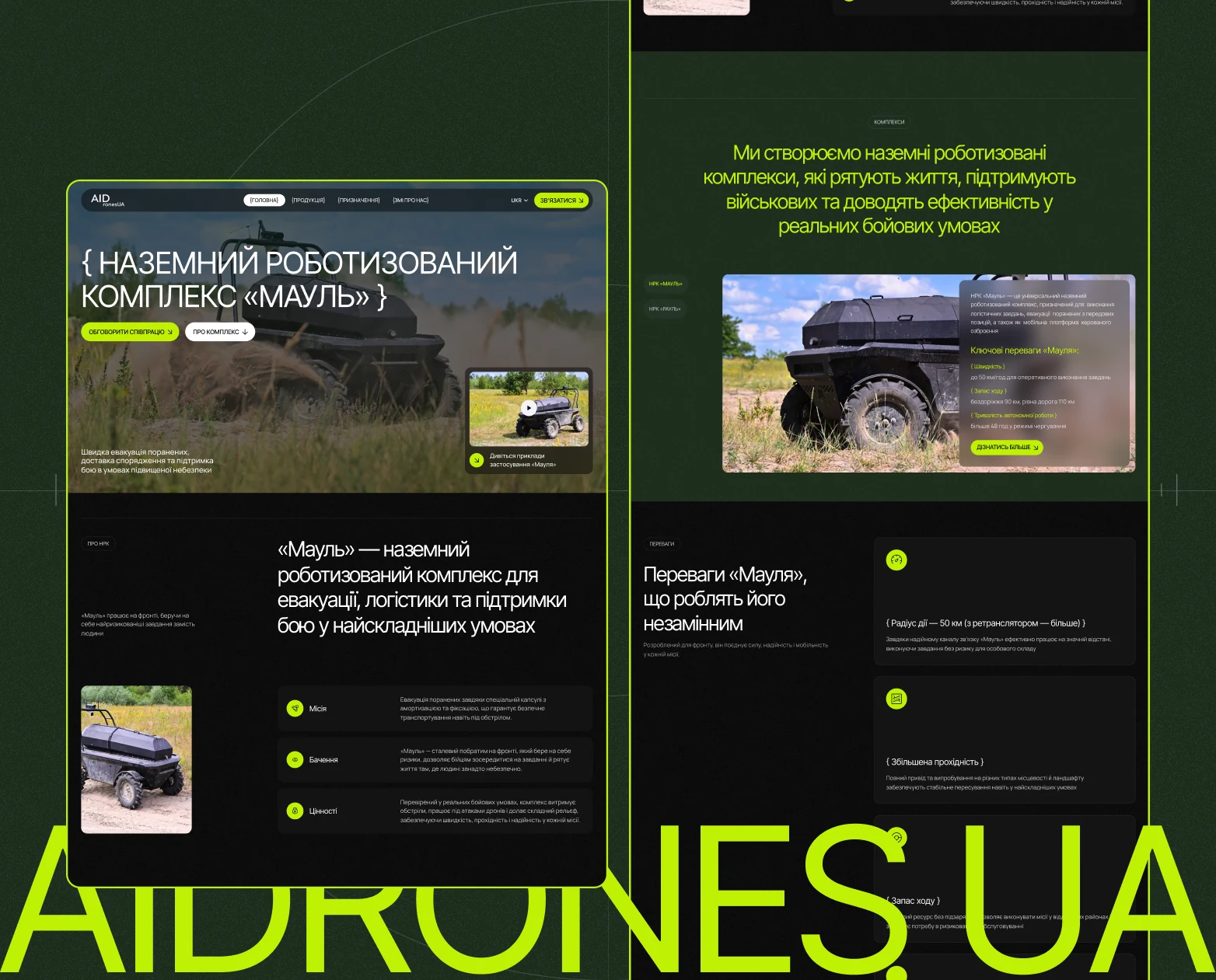
- one offer per screen
- viewing request: 3 fields
- built for a phone first
Who this is for
When one page is not enough
Each service needs its own page with its own questions answered, and the site needs an order a visitor can follow.
News, vacancies, new projects. You need an editor your team can use without calling a developer.
Your current website no longer represents the quality, scope or evidence of your work. Visitors need a clearer offer and relevant projects before deciding whether to enquire.
Landing pages for ads, a page for a season, a page for a launch: same design system, built fast, measured.
- 01First screen
What you do, for whom, and the one action. The opening makes the offer and next step clear.
- 02Three reasons
Not features: the three things a buyer checks before writing. Each one answered in a line.
- 03Proof
A real project with the client’s name, or a number with its source. Nothing invented.
- 04Words of clients
Verbatim, with consent. Selected for their relevance to the offer.
- 05One action, again
The same form or button as at the top. No second offer, no newsletter, no pop-up.
The device
Five parts, in this order
This example shows one useful sales-page structure; the final sequence follows the offer and the questions buyers need answered. The highlight walks through the parts on its own; hover a note to hold it.
What you get
Structure and design built around what you sell and what a buyer asks first. You see the first screen live before the rest is built.
Pages, news, projects and vacancies edited by you, without a developer. A walkthrough at handover, the logins in your name.
Speed on a phone, titles and sitemap, language tags where needed, a form that lands in your inbox. Domain and hosting in your name.
Price
From €1 000. From one month.
Fixed in writing after a short call. Everything in your name at handover.
Build the structure around the decisions a customer makes
A company website should help a visitor move from a broad interest to a specific decision. The visitor may need to understand the service, check whether the company works with businesses like theirs, compare the likely cost and decide what information to send. A sitemap becomes useful when each page has a clear role in that sequence, rather than simply copying the menu of another agency.
One offer, several questions
We start with the services that matter commercially and the questions that delay a purchase. A construction company may need separate explanations for different project types. A technical supplier may need specifications and application examples. A consultant may need to explain the working relationship. These differences influence both content and layout, even if every website ultimately contains pages called Services and About.
A path to a useful enquiry
The next action should match the decision. A complex project may need a short brief, while a straightforward enquiry may need only contact details and a message. We reduce unnecessary fields without stripping out the context your team needs. The purpose of the website is to produce enquiries someone can respond to, not merely increase the number of button clicks.
Separate custom design from unnecessary complexity
Custom design means the visual and information decisions are made for your offer. It does not require inventing a new interaction for every section. Familiar navigation and clear reading patterns leave more attention for the product or service. We use repeated components where they make the website consistent and individual layouts where the content needs a different explanation.
A focused website
A small, focused website can be the right first step when there is one main offer and the content changes infrequently. Its priority is a strong opening, credible proof, useful detail and a dependable contact route. More pages should be added when they serve a distinct question or audience, rather than to make the project appear larger.
An expanding content system
A business publishing projects, articles or products regularly needs a content system. We define the templates and editable fields before choosing the platform. That decision affects how easily the team can add material later. A website that is simple to view but difficult to update often becomes outdated because every minor change requires an external task.
Turn references into a coherent visual direction
Explain the reference
References help when they describe a preference precisely. You might like the way a technical company explains a process visually, the restraint of a dark interface or the typography of an editorial site. We identify those qualities and connect them to your content. Reproducing another company’s page structure without its business context usually produces a weaker result.
Design with real material
The first design should use a representative headline, meaningful imagery and a realistic amount of text. This exposes whether the layout can carry your actual offer. Illustrations and motion should explain something: how a service works, what changes after implementation or how several parts connect. Decorative movement needs a reason to occupy the visitor’s attention.
Test the visual system
We test the resulting system across different page types and screen sizes. Long titles, detailed explanations and imperfect image crops are part of real content. Spacing, type scale and contrast should remain controlled without forcing every section into identical cards. The mobile version needs a deliberate reading rhythm, with useful diagrams and tables adapted for a narrow screen.
Treat content as part of the build
- The claim
- Each important claim needs a clear meaning. Phrases such as full service or innovative solutions do not tell a buyer what is included. We translate the offer into concrete scope, outputs and responsibilities. Where a price or timeline depends on conditions, the conditions should be stated near the claim so the visitor can assess whether it applies to their project.
- The evidence
- Proof can include named projects, approved testimonials, actual deliverables or a transparent explanation of the work. We use the evidence that exists and identify gaps. A design mockup is not evidence of a commercial result, and an illustrative process should be labelled accordingly. Credibility comes from making the available evidence easy to inspect rather than filling the page with unsupported numbers.
- The explanation
- Longer explanations need structure. A comparison belongs in a comparison layout, a process in steps and an acceptance standard in a checklist. This helps the reader scan without removing the substance needed to make a decision. We write headings that explain what follows and connect relevant pages so a visitor can move deeper without restarting their search.
Check the website as a working system
Usability and access
Review navigation, keyboard focus, contrast, image alternatives and readable text on a phone. Check difficult content, not just the homepage. A pricing table, long case study and form error state often reveal weaknesses hidden by a polished first screen. Motion should respect reduced-motion preferences, and important information should remain available without relying on a hover interaction.
Enquiry delivery
A successful-looking form is not enough. Test where the enquiry arrives, which fields are preserved and what the visitor sees if submission fails. Confirm the responsible inbox or CRM owner and an alternative contact route. If the site hands data to another system, document the connection and who will notice an error after launch.
Search and measurement
Review titles, descriptions, canonical addresses, internal links and indexing settings. If an existing website is replaced, map changed URLs before publication. Set up meaningful measurement within the agreed consent configuration. Traffic and enquiry quality need to be reviewed together; a rise in irrelevant visits is not the same as commercial progress.
What determines the scope and price
Start with the offer and the editing needs
Custom websites with an editor start at €1,000. The actual scope depends on the page templates, content preparation, languages, integrations and migration work. A list of ten page names is not enough to estimate accurately if one of those pages contains a searchable catalogue or a complex booking process. We identify those requirements before fixing the quote.
Send your current website, the main services you want to sell, a few references and an explanation of what the team needs to edit. Include available photographs, case material and any existing brand rules. Tell us which tools receive enquiries and whether there is a real launch deadline tied to an event or campaign.
The delivery should include the agreed website, ownership of the relevant accounts, editing instructions and a clear list of ongoing costs. Future content work and technical support can then be planned separately. A well-scoped launch gives the business a dependable base that can be improved from actual customer behaviour rather than rebuilt whenever a new idea appears.
Questions
Questions people ask about a custom website
How much does a corporate website cost?
From €1 000 for a custom website: several pages designed from scratch, an editor for your team, speed and search basics, hosting in your name. The price is fixed in writing after a short call; what moves it is the number of pages, languages and integrations, all named in the quote.
Custom website vs template: what is the difference in practice?
A suitable template can be practical when its structure fits the offer and budget. Custom design gives more control over the information, visual system and publishing workflow. It does not automatically guarantee better speed or sales; those depend on the implementation, content, offer and audience. We compare the work required for your specific project.
Do you build landing pages and campaign pages?
Yes. A landing page for an ad campaign, a page for a season or a launch, in the same design system as the main site, with its own scope, delivery date and measurement plan. If you need one page only, see the website built in code from €500.
How long does a website take?
From one month for a custom website; the scope and the date are fixed in your quote. You see the first screen before the rest is built, so the direction is agreed early. The date starts when we have your text or the material to write it from, and your photos or a say-so to make them with AI.
Who owns the website after launch?
The agreement defines the delivered design, custom code, files and account access. Domain and platform accounts are controlled by your business. Third-party licences and platform export limits still apply; subscriptions, maintenance and a documented handover support continued operation.
What content and access do you need before the build?
Your logo and brand materials if they exist, text or the material to write it from, photos or permission to create them with AI, and access to the domain and to any system the site must talk to, such as a booking tool or a CRM. We list all of it in the quote, and the timeline starts when it arrives.
“They built the site for our construction company. Straight to the point: they helped and advised wherever it was needed. Thanks for the work, I recommend them.”
“They built the presentation site for our plant. What I liked most is that the team really hears what you need and calmly adjusts to feedback. Clean work, thank you.”
Get a fixed quote
Three fields, one reply with a price
Show us the site you have.
We say what to keep, what to rebuild and what it costs.