Industries · Manufacturing
Manufacturing website design and technical catalogues
Give buyers the product information and capability evidence needed to start a useful conversation. We build maintainable catalogues and scope RFQ connections with your team.


What goes wrong
Important differences sit in scattered files instead of comparable product information.
Sales receives an attachment without a product reference or the practical details needed for review.
Different pages expose conflicting specifications or superseded downloads.
A typical system
A typical system for a manufacturer
See how your website, enquiries and customer records can work together. Open a step to explore the service behind it.
- 01Technical catalogue
Structured product families, useful specifications and associated downloads.
solution page → - 02RFQ workflow
Preserve product context and route the request to the appropriate sales or technical owner.
solution page → - 03Industrial website
Approved capabilities, plant material, projects and contact information.
solution page → - 04Dealer information
Verified contacts and coverage, with a separately scoped access area if needed.
solution page →
Who exactly
Who we work with in manufacturing
Product references, relevant documentation and a clear route to sales.
Reviewed technical terminology and coordinated language versions.
Capabilities and project evidence with precise descriptions of delivered scope.
Consistent product data and manageable document updates.
Organise the site around a technical buying decision
A manufacturer’s website should make it possible to assess fit before requesting a quotation. Some visitors have a part number; others have a drawing, a material requirement or a process to outsource. We separate product discovery from capability evaluation, then connect both to a clear enquiry route. The structure follows how the company sells, rather than the order of its internal departments.
A defined product
For standard products, buyers need comparable specifications, available configurations and relevant documentation. Categories should use meaningful differences such as application, material or operating range. A specification table is useful only when values are complete and units consistent. Product names, manufacturer references and replacement relationships need to remain searchable without filling the page with internal abbreviations.
A manufacturing capability
For contract manufacturing or engineering services, the useful evidence is different: processes, equipment, supported materials and the boundaries of the service. Explain what information is required to assess a project. Do not imply a tolerance, certification or production capacity that the company has not approved. Plant photography and project descriptions should support specific capabilities rather than serve as generic industrial decoration.
Build a catalogue that can be updated safely
Select representative products
Start with several products that expose the catalogue’s complexity: a simple item, a configurable family, a discontinued product and one with multiple documents. Use them to define category structure and specification fields. This is more informative than importing thousands of rows first and discovering that the only available filter is an ambiguous product name.
Define authoritative fields
Identify the source of product identifiers, descriptions, availability and technical values. That may be an ERP, a product information system or a maintained spreadsheet. An integration requires accessible interfaces and reliable source data. Decide which values the website may edit and which must remain controlled by engineering or the source system to avoid conflicting versions.
Plan revision ownership
Assign an owner to each type of change. Marketing may update a photograph, while engineering approves a drawing or technical claim. Keep document versions and publication dates understandable. When a product is replaced, describe the replacement carefully rather than automatically treating it as equivalent. A maintainable approval route matters more than an impressive import demonstration.
Make a request for quotation specific enough to handle
- Product and quantity
- A catalogue enquiry can carry the selected product reference automatically, while the buyer adds quantity and destination or another necessary detail. Avoid forcing people to repeat information already available on the page. For a configurable product, preserve the selected options in the request. The sales team should not have to infer which version the customer was viewing.
- Project context
- A custom manufacturing enquiry may require a drawing, material and intended use. Ask only for information needed at this stage and provide a safe route for files. If confidentiality arrangements must precede document exchange, explain that route rather than putting an unrestricted upload field everywhere. File limits and errors should be visible before the buyer attempts to send a large package.
- Routing and follow-up
- The request needs to reach the person responsible for the relevant product or market. A CRM integration can retain its context and create a follow-up task when the existing system supports it. Automatic receipt acknowledgement must be distinguished from a quotation. Lead times, technical feasibility and commercial commitments remain subject to review by the authorised team.
Show documentation with the correct scope
Buyers need enough information to determine whether a conversation is worthwhile, while some documents should only be shared after qualification. We agree that boundary with the company before designing a download library or dealer area. Making everything public and hiding everything behind a form are both poor defaults when the catalogue has different types of information.
Public evaluation material
Public material can include approved specifications, application guidance and certificates that the business is entitled to publish. State which product, site or activity a certificate actually covers and keep its current document accessible. A logo in the footer should not imply that every offered product has the same status. The business’s technical owner confirms the wording and scope.
Controlled commercial material
Controlled material can include customer pricing, unpublished drawings or dealer resources. A login area needs account ownership, access rules and a process for removing former users. It is a distinct project component, not a decorative padlock icon. If a simple sales-led request is sufficient, use that approach and avoid building a portal the team will not maintain.
Support export enquiries without duplicating mistakes
Translate the product terminology that buyers and sales staff actually use. A fluent general translation may still misstate a material, dimension or process. Provide an approved terminology list and review representative product families before translating the entire catalogue. Product codes and units need careful handling so that different language versions describe the same item.
A market page should identify the available contact route and any practical conditions the company has approved. Do not invent local offices, distributors or delivery capabilities. Where authorised dealers exist, provide maintainable contact records and clear coverage information. A country selector cannot replace an explanation of who will answer a technical or commercial question.
Choose languages from the sales process
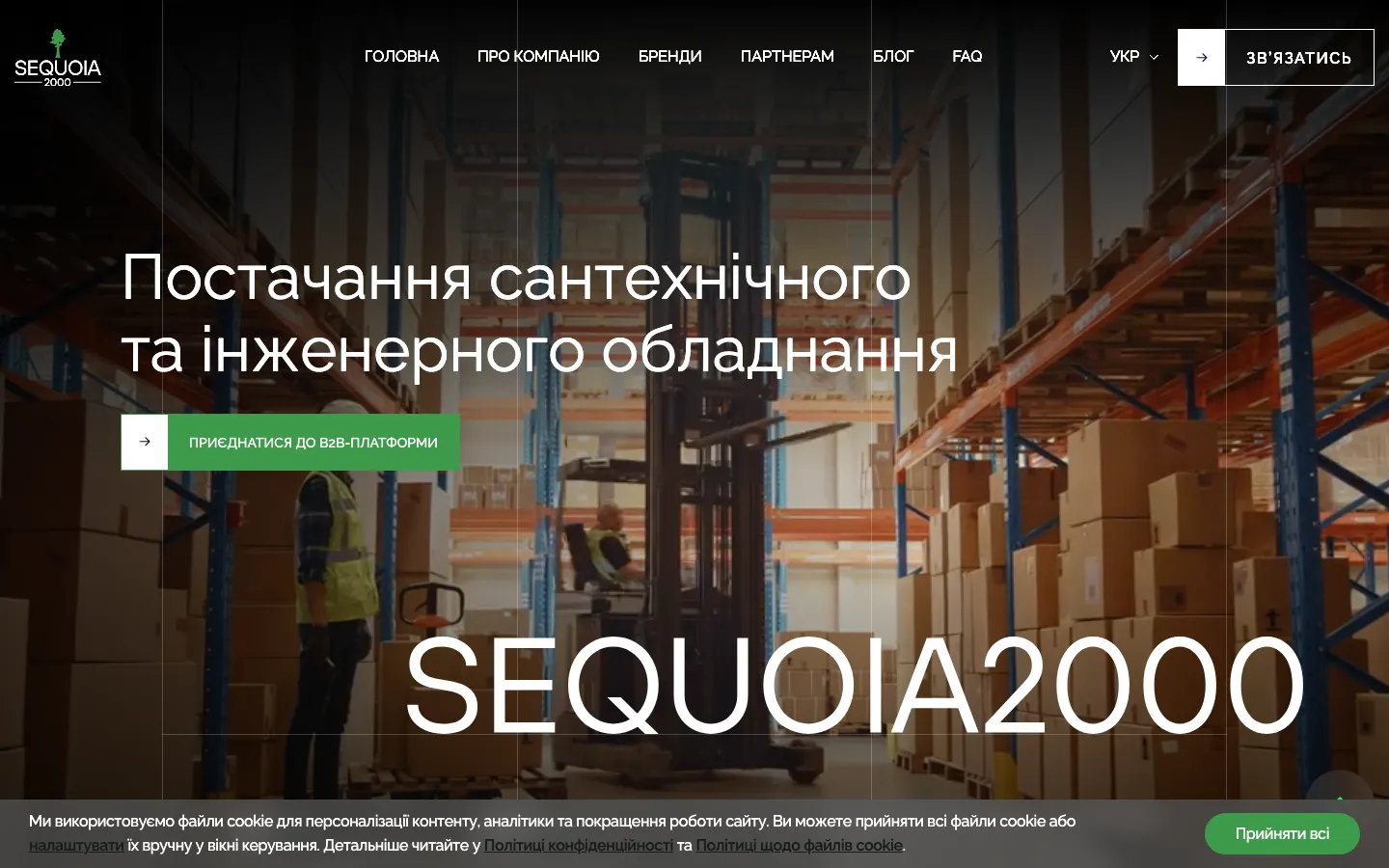
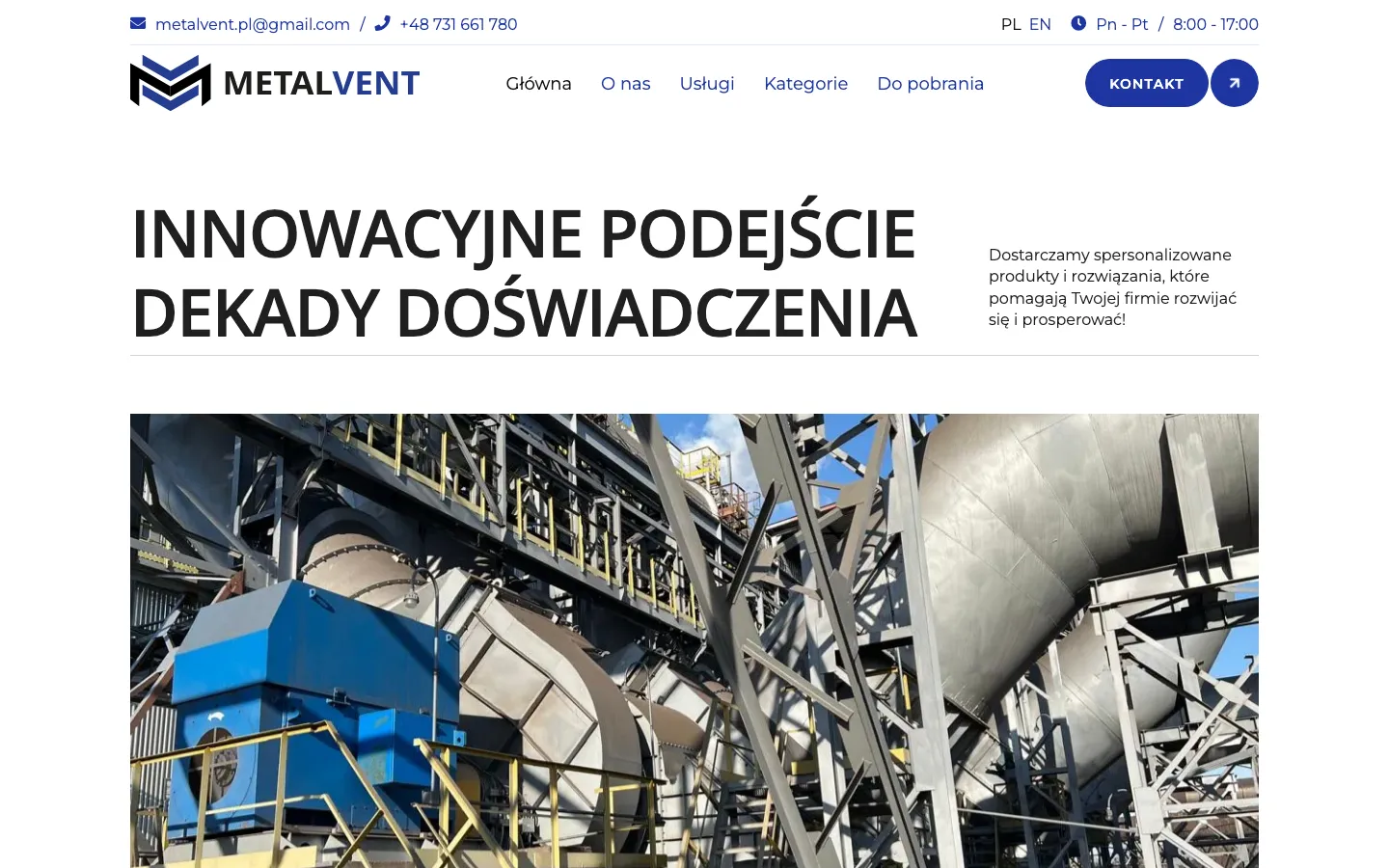
For a redesign, preserve useful product URLs and map necessary changes deliberately. Separately plan discontinued items and obsolete documents, which may still be linked from customer records. Published projects such as Sequoia2000, SeedWay Oil, GM Engineering and MetalVent illustrate our industrial design work. Their presence in the portfolio does not imply that every ERP, dealer portal or quoting workflow described here has already been implemented.
Review the catalogue with engineering and sales
Technical review
Have a technical reviewer compare sample pages and downloads against approved source material. Check units, option combinations, document revisions and missing values. Search for a product code and test filters that return no results. Open a specification page on a phone and at larger text size; a table that can only be read on a wide monitor is not finished.
Enquiry rehearsal
Submit a product enquiry and a project-based RFQ with test information. Check the routing, attached context and error behaviour. Sales should be able to find the message and prepare the next action without asking the developer where it went. When CRM integration is included, test an existing contact as well as a new one to reveal matching and duplication issues.
Operational handover
The delivery plan separates core pages, catalogue preparation, external integrations and ongoing maintenance. Agree who can publish technical changes and who monitors failed imports. Measure the relevance and completeness of RFQs, not just download totals. Send a catalogue sample, source-system description and examples of enquiries you want to receive; those are the practical starting points for a credible scope and price.
“They built the presentation site for our plant. What I liked most is that the team really hears what you need and calmly adjusts to feedback. Clean work, thank you.”
OriginalРобили нам презентаційний сайт заводу. Найбільше сподобалось, що команда чує, що тобі треба, і спокійно править під фідбек. Все акуратно, дякую за роботу.
Specifics
What is different in manufacturing
Engineering approves values and claims; the site records how updates are published.
Certificates and drawings are presented with their actual coverage and current versions.
Acknowledgement and routing do not constitute a price, lead time or technical approval.
Price
A site for a manufacturer starts from €1 000; a catalogue fed from your ERP from €3 000; the RFQ process from €500.
Fixed in writing after a short call. Project scope and running costs are agreed before work begins.
Questions
Questions about manufacturing projects
Can the catalogue read from our ERP?
We inspect available interfaces and sample data before specifying the connection.
Can RFQs include drawings?
Yes when file handling, access, size limits and the receiving workflow are agreed.
Do we need a dealer portal?
Only when controlled access solves a real task; a maintained contact directory or sales-led request may be sufficient.
Tell us how a customer reaches a manufacturer today.
A short call, then a fixed price in writing.