Brand · Brand identity
Brand identity design your team can use.
A mark that holds at avatar size and on a sign, colours and type with rules, templates your team can use, and delivered source files and documented asset licences. Three steps: logo from €500, identity from €1 000, brandbook from €2 000. Fixed in writing.
What it is made of
Mark, colour, type, applications
The four parts every identity is built from. The board assembles itself; hover a part to replay it.
#141414
#980cff
#cea7ff
#ededed
#8f8f8f
What you get, step by step
Agreed design directions, final logo formats, basic colour and type, with checks for your priority uses. Delivered files and custom-artwork rights are defined in the agreement; third-party licences remain separate.
Everything in Logo, plus the colour and type system, the look of photos and layouts, a business card and social templates, and short usage rules for whoever touches the brand next.
Everything in Identity, plus rules for the agreed applications, such as packaging or vehicles, templates for print and screen, and a practical guide your next designer can use.
Who this is for
Companies whose name has to work harder than the founder
A sign, a card, profiles, a site: all at once, all in one style. A logo or an identity before the first customer sees anything.
Food, cosmetics, drinks: the label sells before the taste can. Identity and packaging together, with rules for the next product.
Not another gradient and blue neural mesh. A mark and type that behave inside a product interface, not only on a slide.
Van, sign and website disagree. A brandbook ends the argument and gives the new designer something to follow.
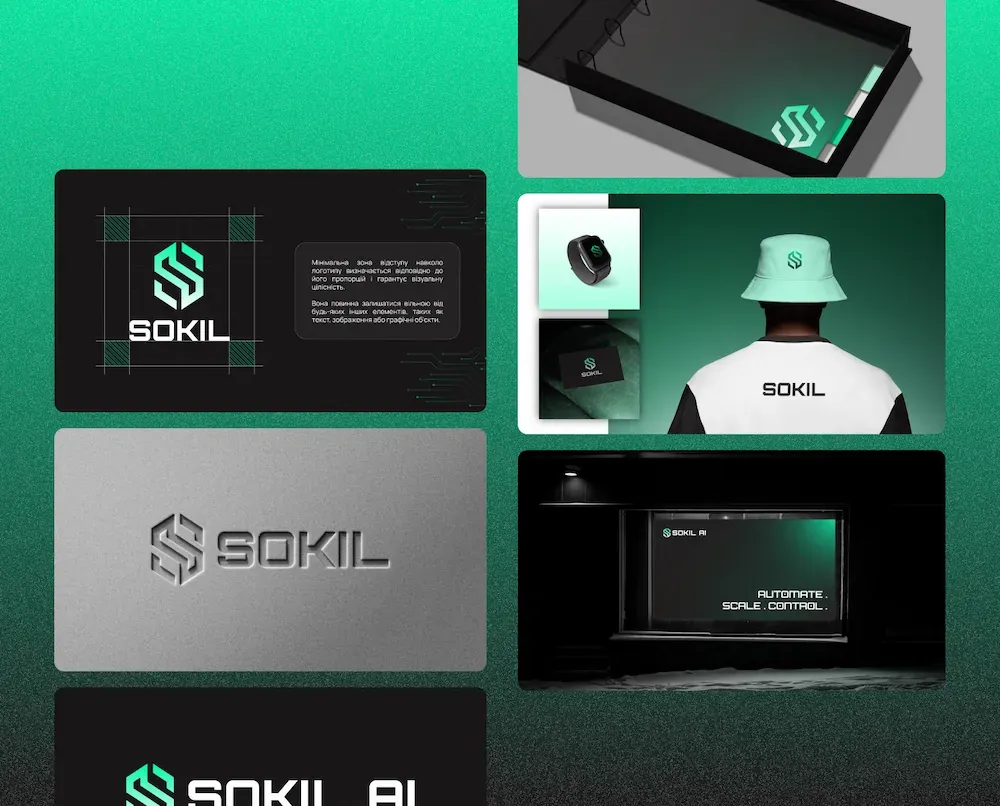
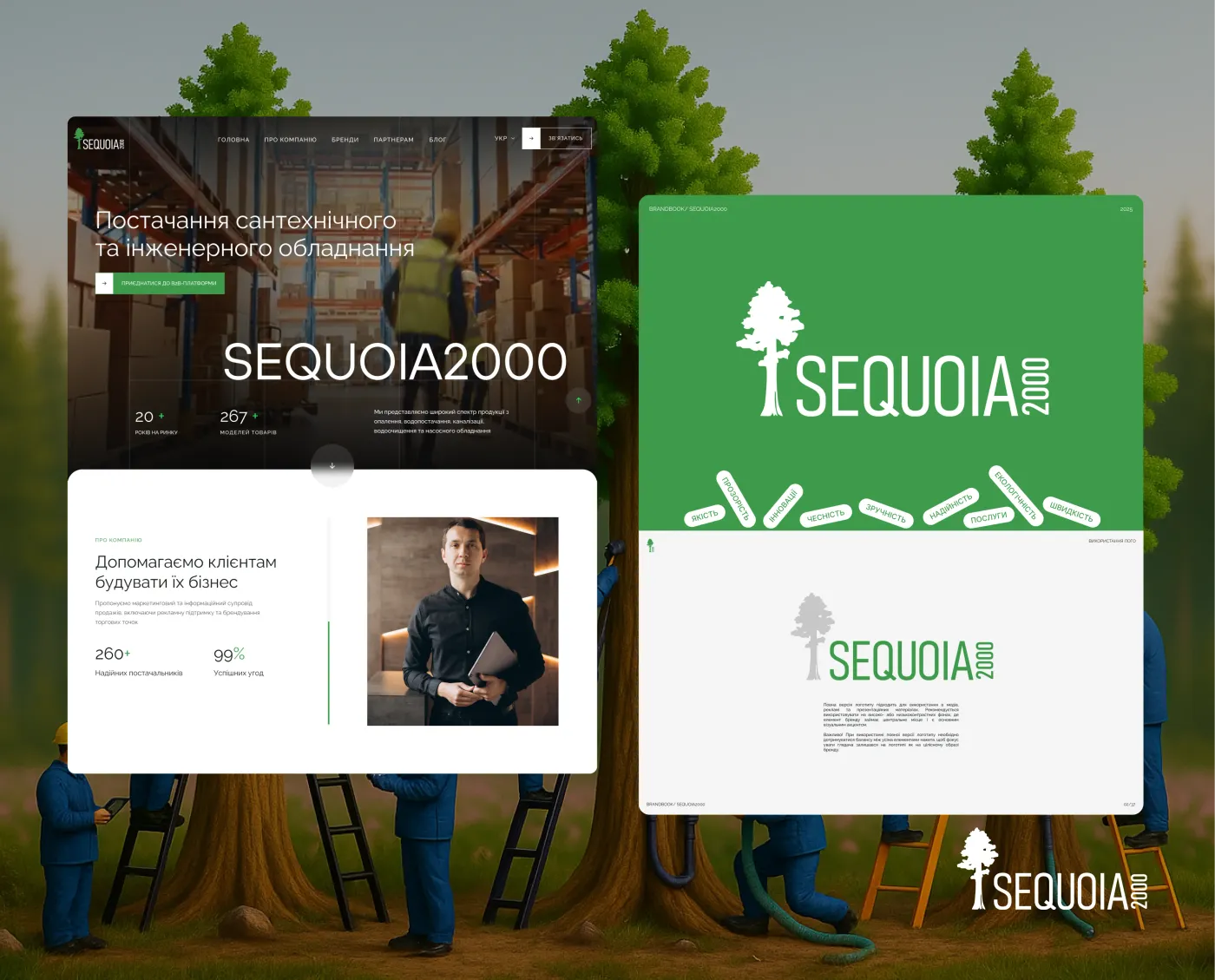
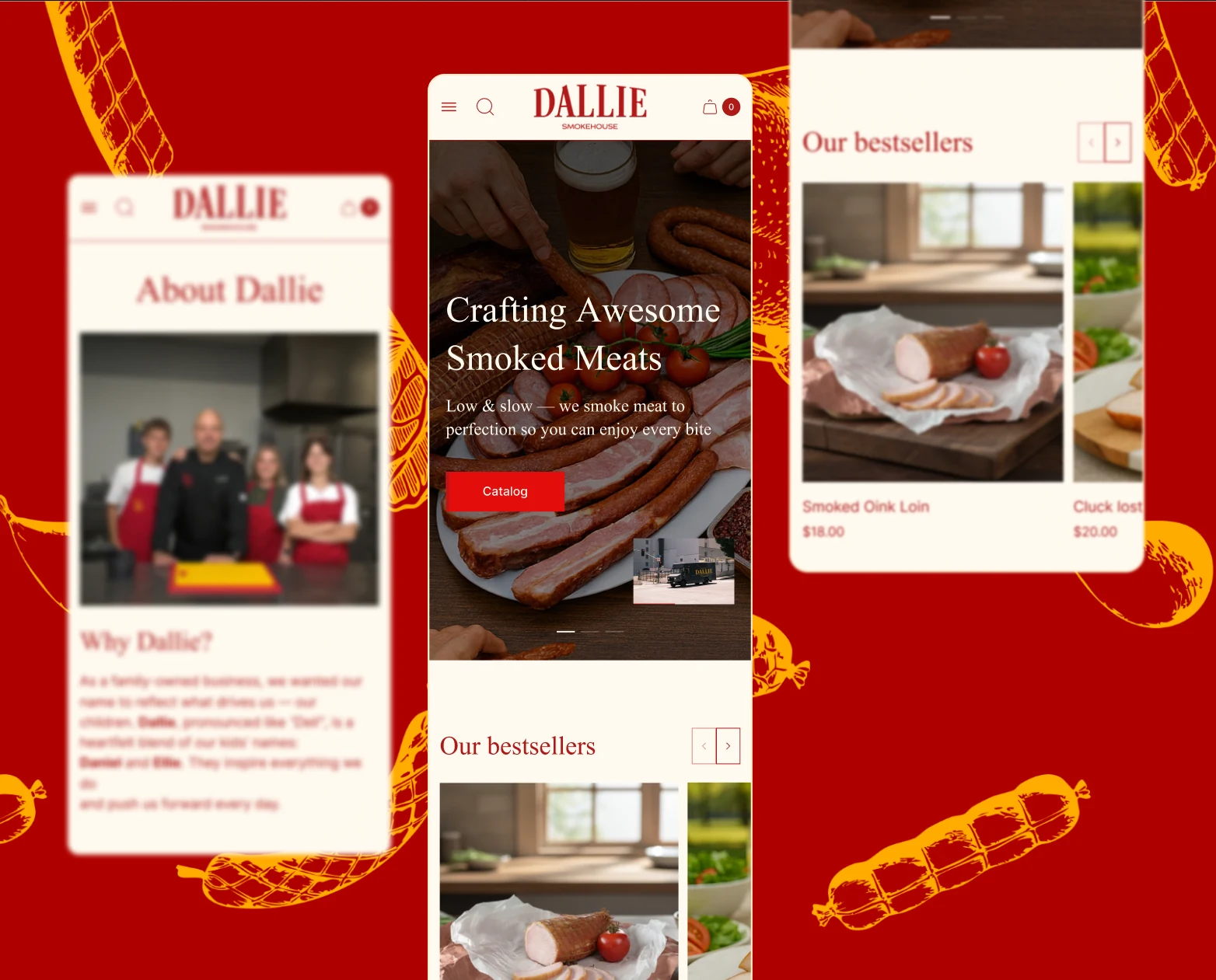
“They gave us several options to choose from and genuinely listened to what we wanted, with no pushback. They did both our site and the logobook. Great work, guys.”
“We ordered a brandbook and merch design. Everything was delivered straight into our Figma, so it was easy to work with, and the style came out exactly how we wanted. Really happy.”
Price
Logo from €500. Identity from €1 000. Brandbook from €2 000.
Rebranding and packaging after a short call. Fixed in writing, with delivered files and usage rights specified.
Give the identity a job before choosing a style
A useful identity helps a customer recognise your business and understand what kind of offer to expect. That job changes with the context. A food label must remain legible beside other products, while a technical supplier may need clear specification sheets and a credible presentation. The first design discussion should therefore cover where the brand appears and what the person seeing it needs to understand.
Recognition in context
We begin with the offer, audience and situations in which customers encounter the company. References are helpful when you explain what you like about them: the typography, restraint, colour or clarity. Copying the appearance of an admired company is a poor substitute for understanding why its design works. Your identity should fit your own name, material and commercial environment.
Decisions the team can repeat
The outcome needs to be repeatable by people who were not in the design meetings. A social post, proposal and package should look related even when different people produce them. That requires rules for layout, imagery and typography alongside the logo. The appropriate level of documentation depends on how many people will use the system and how varied their work will be.
Choose between a logo, an identity and a brandbook
- Logo
- A logo project starts at €500 and focuses on the mark and its essential applications. It makes sense when the immediate need is a recognisable sign and a controlled starting point. We still test the name at small sizes and on the backgrounds you expect to use. A beautiful large presentation image cannot compensate for an unreadable profile picture or a mark that fails in one colour.
- Identity
- A brand identity starts at €1,000 and extends the mark into a visual system. Colours, typography, image treatment and agreed templates show how the business should appear across everyday materials. The scope should name those materials. A restaurant menu, a product label and a software interface need different decisions, so an identity package should not quietly imply that every possible application is included.
- Brandbook
- A brandbook starts at €2,000 and documents the system for broader use. Its value lies in answering practical questions: which logo belongs on a dark background, how headings work, what photographs fit and how a new layout should be assembled. Page count is not the measure of quality. A concise, usable rule can be worth more than several pages of decorative explanation.
Review directions through real applications
Set the criteria
Before presenting visual directions, we agree what the identity must achieve and what constraints it must respect. The company name, existing recognition, production methods and required languages all matter. This gives feedback a shared basis. Instead of collecting unrelated personal preferences, we can ask whether a direction feels appropriate, works at the required sizes and distinguishes the business in its actual context.
Compare complete directions
Directions should be shown on representative applications, not only as isolated logos. A mark can look convincing on a mockup and become difficult to use in a narrow website header. We compare typography, colours and layout behaviour together. The goal is to choose a coherent system, rather than combine a logo from one direction with unrelated elements from every other option.
Develop the selected route
Once a direction is selected, refinement deals with proportion, spacing, legibility and consistency. Feedback is most effective when one responsible person consolidates it and explains the underlying problem. If the audience or offer changes during the project, that may require a scope decision. Small refinements and a new strategic direction are different kinds of work.
Test the identity where it will actually live
Small and constrained
Check a social avatar, a mobile navigation bar, a small invoice header and any application with limited space. The full name may need an approved compact arrangement, while an icon may need a simpler version. We also inspect contrast and the relationship between display typography and readable body text. Visual character should remain compatible with the basic task of reading.
Print and physical materials
Physical production introduces constraints that a screen preview can conceal. Embroidery, signage, packaging stock and label sizes can affect fine lines, colour and spacing. We ask for supplier requirements where they are available and prepare the agreed artwork accordingly. A realistic proof from the production supplier is more useful than assuming that a glossy digital mockup predicts the final material.
Several languages
If the business works in several languages, the chosen fonts need the relevant characters and usable text styles. Longer names and translated headings should be tested in actual layouts. Different markets may also need different product information. The identity should allow those changes without forcing local teams to invent a separate visual system each time they publish.
Make the handover useful to your next designer
Files should be organised by purpose: editable sources, scalable artwork, everyday image formats and production-ready exports where included. A staff member should be able to find a suitable logo without opening a design application. Clear filenames and a short usage guide prevent accidental use of an obsolete draft or a low-resolution image downloaded from a messaging app.
Templates need an example filled with realistic content and simple instructions for changing it. A social template that only works with a two-word headline will fail as soon as the team posts a detailed announcement. We test common variations and identify which elements are fixed and which can change. The same approach applies to proposals, presentations and printed materials.
Usage rights and licences belong in the handover
The agreement should distinguish the custom work delivered to your business from third-party fonts, stock images or other licensed assets. We identify licence requirements and the source of those assets. Naming and trademark questions require the relevant checks before an expensive rollout; a design presentation alone does not establish that a name is available in every market.
Prepare a brief that makes design decisions easier
Send the materials people already see
Send the company name, a plain explanation of the offer, your main customer groups and a few examples of current materials. Add the website, social profiles, packaging or signage that the new identity must support. Include references with a sentence explaining each one. Knowing why a reference appeals to you is more useful than receiving a large folder of unrelated attractive logos.
List the applications needed for launch and the ones that can follow later. This helps direct the budget towards materials the business will actually use. If there is already recognition worth preserving, tell us how you know: recurring customer comments, established packaging or a familiar sign. We can then distinguish a new identity from a more careful evolution of an existing brand.
Finally, identify the decision-maker and anyone who must approve practical constraints, such as a printer or product manager. The quote can then name the deliverables, review stages and handover format. A clear brief does not prescribe the design; it gives the design enough context to solve a real business problem.
Questions
Questions people ask about branding
How much does branding cost for a small business?
A logo from €500, a brand identity from €1 000, a full brandbook from €2 000. Rebranding and packaging are priced after a short call, because they depend on how much already exists and how many materials need to change. Every price is fixed in writing before the work starts.
Logo vs brand identity: what is the difference?
A logo is the mark: it has to hold at avatar size and on a sign, and it comes with basic colour and type. An identity is the system around it: the palette with rules, the type pairing, the way photos and layouts look, the business card and social templates. A logo lets you open; an identity lets everyone who touches the brand keep it consistent.
What does a brand identity package include?
The quote names the number of directions, revision rounds, logo formats, colour and type system, agreed templates and usage rules. The brandbook adds rules for agreed applications, templates for print and screen, and a book your next designer can follow without asking you.
Do you design packaging?
Yes, as part of an identity or a brandbook, or separately after a call: labels, boxes, bags, and the rules for adding new products in the same style. For a food brand we built the identity and the packaging system together, so the label and the store speak one language.
Which files and rights do we receive?
The agreement names the delivered custom artwork, source files, templates and usage rights. Fonts, stock material and other third-party assets retain their own licence conditions, which we identify at handover. Portfolio use is subject to your consent.
How long does branding take?
A logo in two to three weeks, an identity from a month, a brandbook from six weeks; the date is fixed in your quote. The slowest part is usually the choice between directions, so we show them early and one at a time.
Get a fixed quote
Three fields, one reply with a price
Show us what you have.
A logo, a napkin sketch, nothing yet: any of the three is a fine start.