Case · Defense tech

OM Defence Systems: improving the structure of a Webflow site.

We rebuilt the underlying website structure with reusable patterns while preserving the existing design. The scope includes class naming, corrected images and modal connections, page titles and structure, and CMS sections for news and careers.

  • Defense tech
  • Counter-UAS
  • Redesign
  • Webflow
  • English
omdsystems.comOM Defence Systems website preview
Classes renamed into a system

Close to three hundred unnamed classes renamed so the site can be maintained by someone other than its first author. project record

Renders and modals fixed

Product renders corrected, modals that had been wired to the wrong pages fixed. project record

CMS and SEO

A CMS behind the newsroom and careers; titles and structure across the pages. checked on the live site · Sep 2026

The project

Task, approach and delivery

The task

Improve the internal structure and correct documented interface defects.

Preserve the approved visual direction while making editing and maintenance more understandable.

The approach

We renamed close to three hundred classes into a consistent system, corrected product renders and fixed incorrectly connected modals.

The newsroom and careers received CMS structures. Work on page titles and structure formed part of the delivery; search growth is not a measured result in this case.

What we delivered

A refactored Webflow website with a class system, corrected images and modals, page-structure work and CMS collections for news and careers.

Improving an existing Webflow site without replacing its visual identity

OM Defence Systems needed work on the structure behind an established website. The recorded delivery covers a consistent class system, corrected product images and modal connections, page titles and structure, and CMS sections for news and careers. The visual design was retained. This is a website maintenance and rebuilding case: the company's products and engineering are outside HeadPills' delivered scope.

The visible page was only part of the brief

A website can look coherent while its internal structure makes ordinary changes difficult. In this project, the starting point was an existing design that needed to remain recognisable. Replacing it with a new visual concept would not have answered the core request. The work concerned how the pages were assembled, how styles were named and reused, and whether interactive elements opened the correct content.

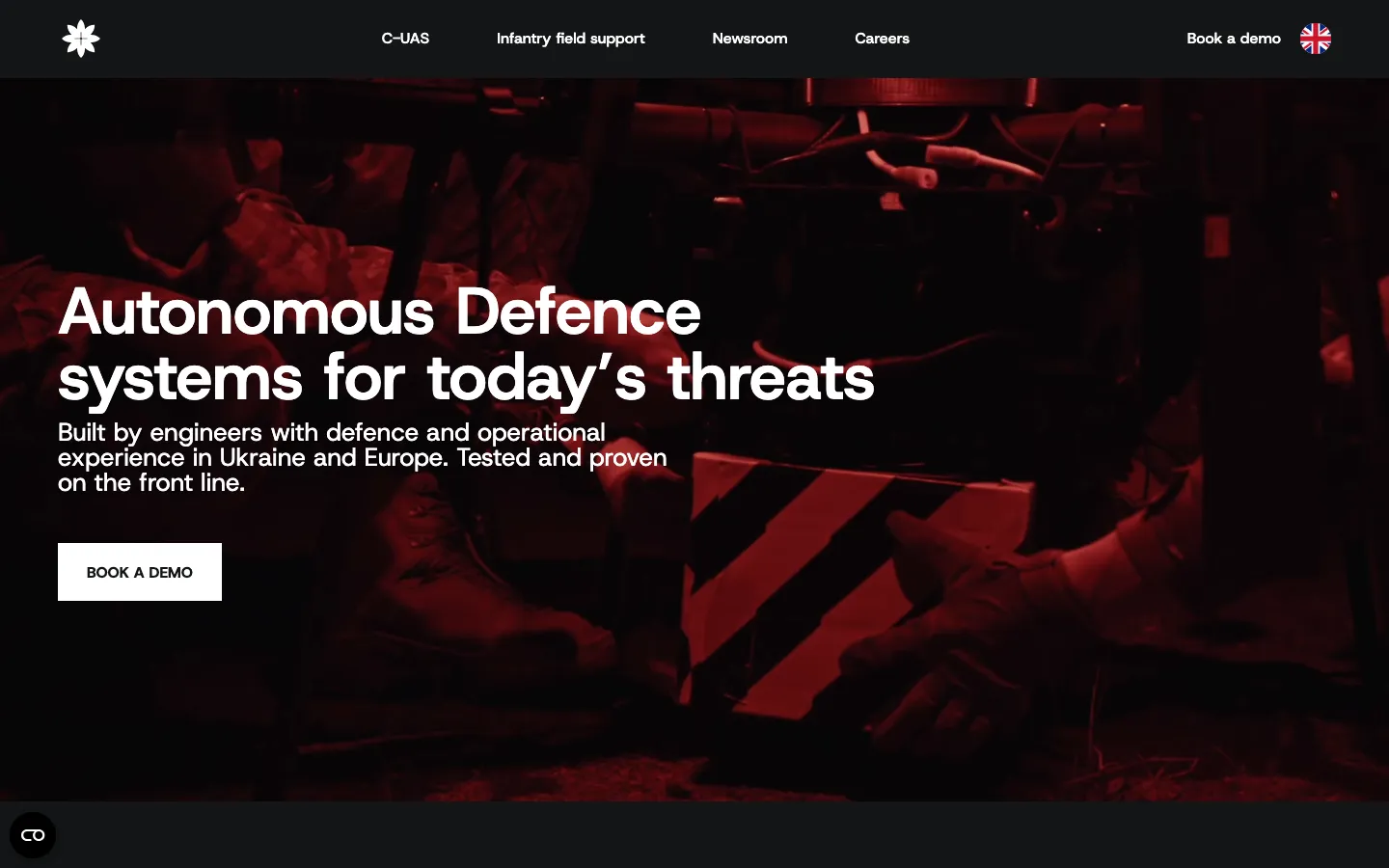
The saved first screen uses a dark background with red imagery, a large white headline and a light call-to-action. A compact header separates product navigation from the newsroom, careers and contact. Those visible choices establish a particular presentation. Preserving them meant treating the existing site as a reference during the rebuild, rather than assuming that every internal improvement should produce a visibly different homepage.

For a comparable project, the initial review should identify which parts are approved and which defects need correction. Otherwise the word redesign can hide two different tasks: a visual change and an implementation repair. OM Defence Systems illustrates the second kind. Its main value as a portfolio example is the ability to work within an existing presentation while making the underlying structure more understandable.

A class system that explains its purpose

The project records describe renaming close to three hundred classes into a consistent system. The number indicates the extent of the recorded cleanup; it does not by itself measure quality. A meaningful name helps another editor or developer understand what a style belongs to. The more important question is whether its use remains consistent across components, pages and responsive states after the renaming.

A class may affect more than the element currently visible on screen. It can be shared by several cards, nested within a component or referenced by an interaction. For a similar refactor, changing names should therefore be paired with checking their relationships. Otherwise a tidy-looking style list can conceal new differences between pages. This is why structural cleanup deserves a review of representative templates rather than a quick look at the homepage alone.

The system also needs boundaries. A shared rule should represent something genuinely shared, while a specific variation should remain identifiable. Combining unrelated sections under one name makes later edits unpredictable. Creating a different class for every nearly identical element produces another kind of maintenance burden. The useful outcome is a set of patterns that a successor can understand and apply with reasonable confidence.

Three distinct kinds of correction

Styles and components
Consistent naming and reusable patterns address how the pages are assembled. Their acceptance depends on preserving the intended appearance across the places where a rule is used. An internal cleanup should make relationships clearer without silently changing a different section that happens to share the same style.
Images and presentation
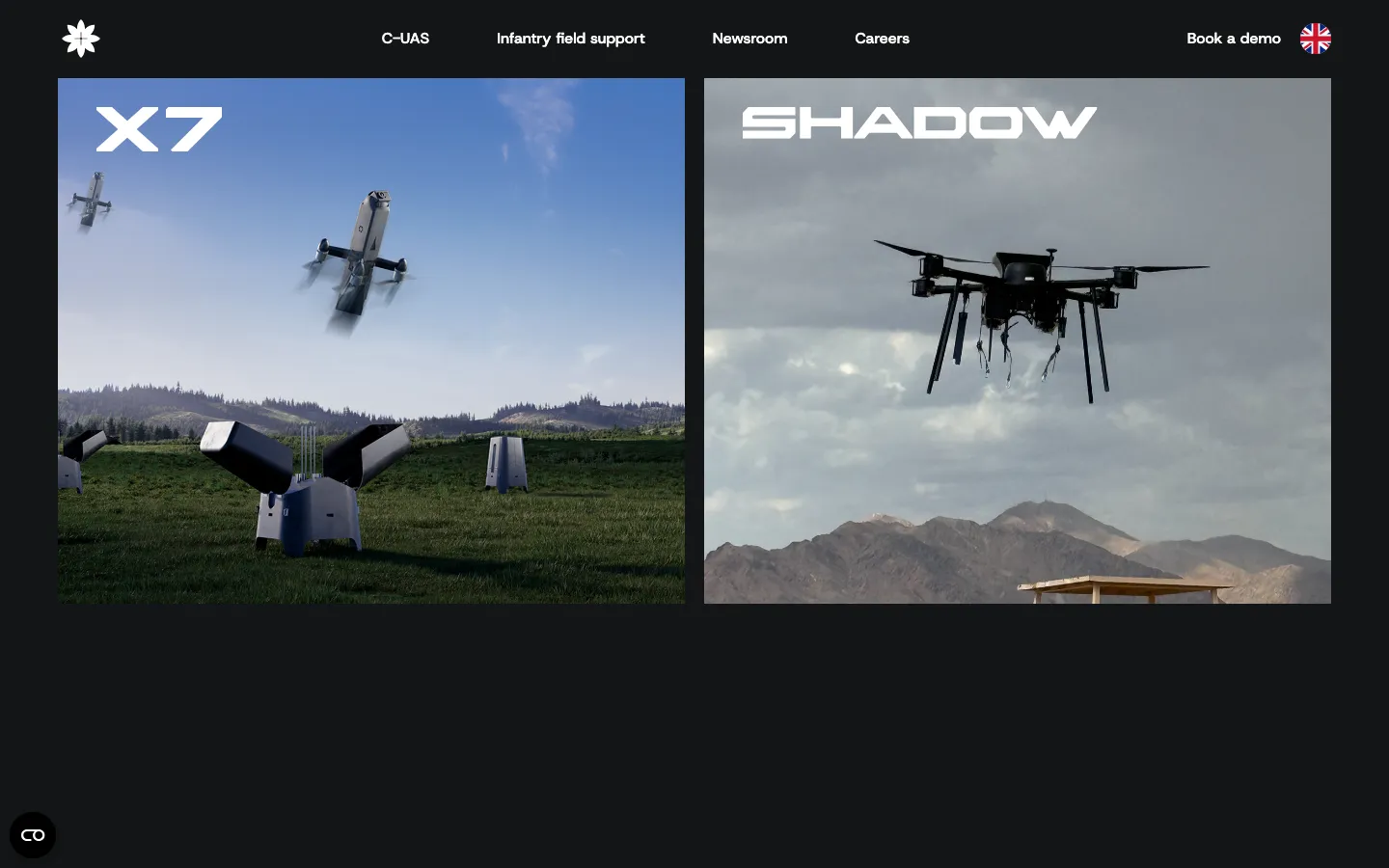
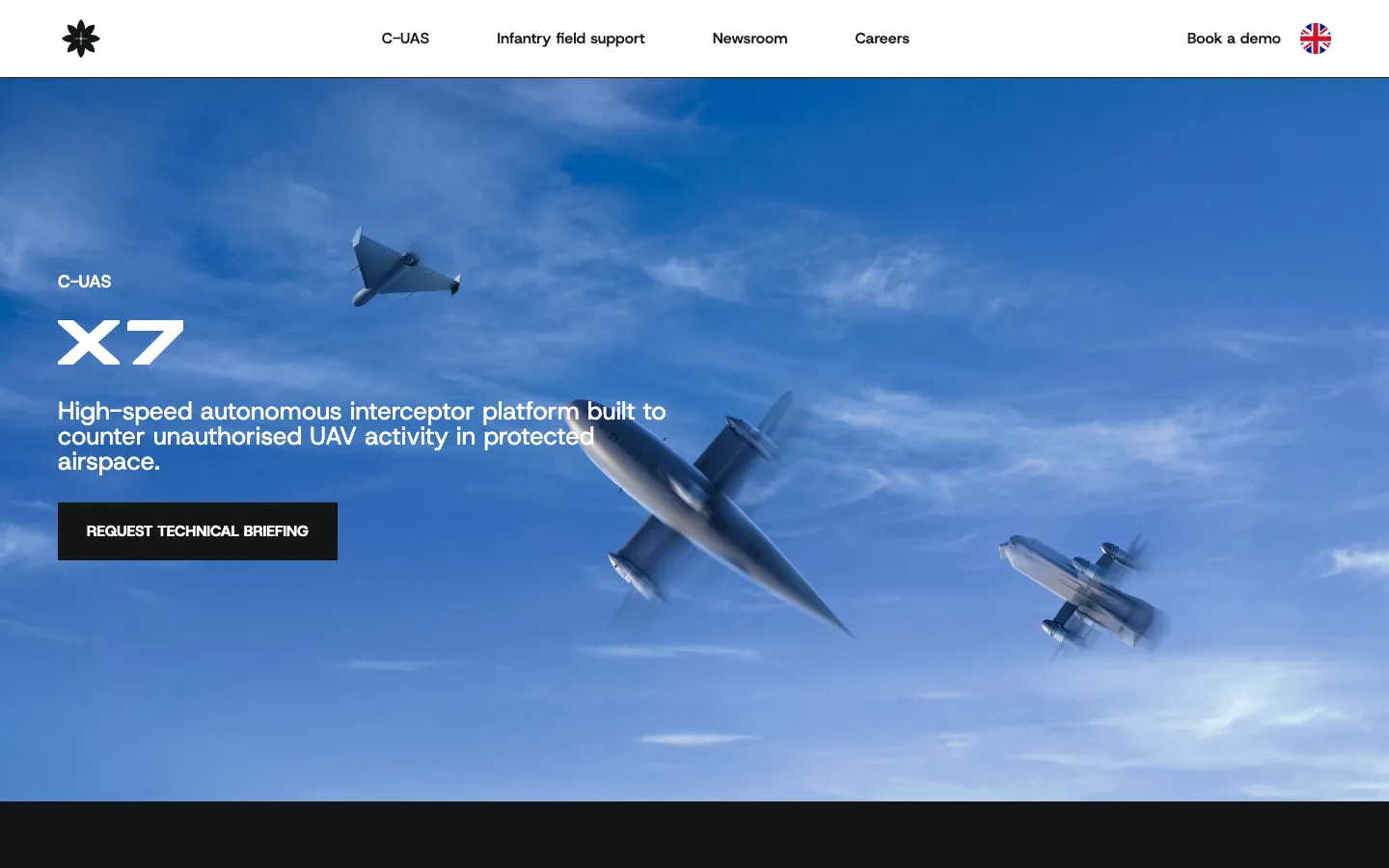
The recorded work includes correcting product renders on the site. This concerns the presentation of supplied material within the interface. It should not be confused with creating or validating the products themselves. In a comparable brief, the client supplies approved assets and confirms which version belongs on each page.
Modals and context
Some modal connections led to the wrong pages or content and were corrected. A modal needs to match the action that opened it. The visible label, surrounding page and displayed content should describe the same next step, so the visitor does not have to resolve a mismatch introduced by the interface.

News and careers have a different editing rhythm

The recorded delivery includes CMS collections for the newsroom and careers. These areas contain information that changes independently of the principal page layouts. A new article or vacancy should use an agreed content structure rather than require rebuilding the surrounding design. The distinction is useful for a team that needs to publish updates while keeping the overall presentation consistent.

CMS fields do not remove editorial responsibility. Titles, dates, descriptions, images and publication status still need an owner. For a similar company website, we would agree which fields are required, who approves the content and how outdated entries are handled. Those decisions prevent an editable section from becoming a collection of incomplete records. They also make handover more concrete than simply giving someone access to the editor.

News and vacancies should not be forced into one identical model just because both are collections. A vacancy can need role-specific information and an application route; a news item has its own reading context. The implementation should reflect the content actually being maintained. In this case, the relevant result is that both sections were included in the recorded CMS scope, not a promise that every future change will be possible without technical help.

Search preparation has a defined boundary

The original delivery records a pass over titles and page structure. Those elements help a website describe its content consistently. They belong in a structural rebuild because a corrected interface should still expose meaningful page information. However, preparing titles does not establish search demand, guarantee indexing or show that a page has gained positions. Those outcomes require separate observation of the published site.

For a similar refactor, the address map should be checked alongside the page content. Keeping an existing design does not automatically preserve every route, and a visually correct page can still have a broken internal link. An acceptance list should therefore include important addresses, navigation destinations and page descriptions. We would base that list on the actual site being changed, rather than claim that a generic SEO checklist proves business growth.

A sensible acceptance sequence for this kind of rebuild

  1. Record the reference state

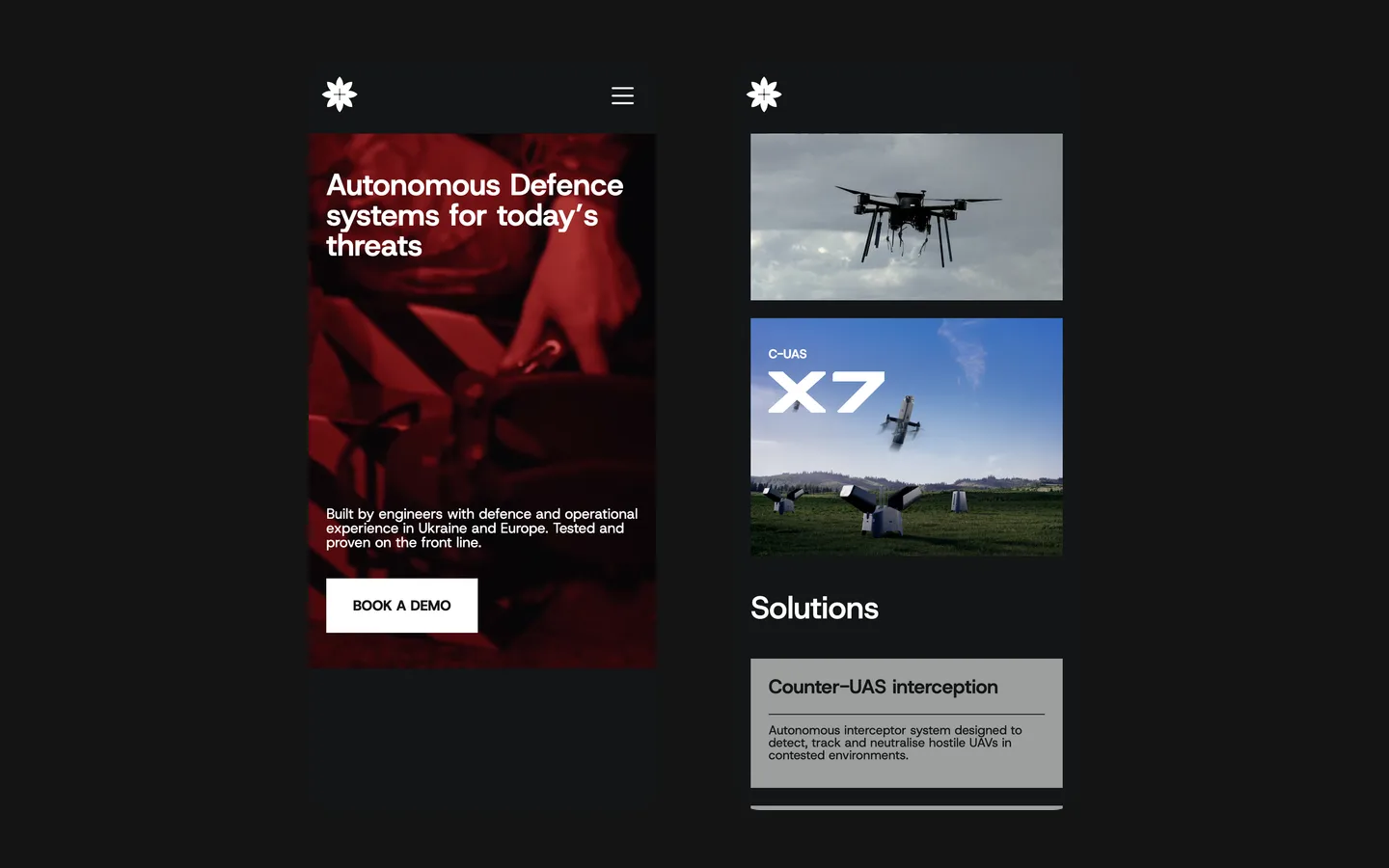
    Identify approved page layouts, recurring elements and known defects before changing structure. Capture representative desktop and mobile states, including the controls that reveal additional content. This gives the reviewer something concrete to compare and separates deliberate corrections from accidental visual changes during the rebuild.

  2. Check shared relationships

    Review where styles, components and interactions are reused. After changing a shared element, follow it to other templates instead of checking only the page on which it was edited. This is particularly important for navigation, cards and modals, where one structural decision can affect several parts of the website.

  3. Test editing and visitor routes

    Use representative news and career entries to check the content model, then follow important visitor actions through to their destination. The handover should explain the intended editing boundaries and the kinds of changes that still need a developer. A working CMS is an editing tool, not a guarantee against every possible mistake.

What the case contributes to a new brief

OM Defence Systems is relevant when a company already has a visual direction but its website is difficult to maintain or contains inconsistent interactions. The recorded result combines class cleanup, corrected assets and modal routing, CMS work and page-structure preparation within Webflow. These are concrete implementation tasks that can be scoped and reviewed without replacing the company's identity.

We do not publish a measured increase in enquiries or an independent assessment of the company's products here. For a similar project, bring access to the existing site, a list of recurring editing problems and examples of the presentation that should remain. That makes it possible to distinguish necessary repairs from optional visual changes and agree a reviewable scope before the site is rebuilt.

What the site does

Project features

  • Preserve the design

    Existing presentation remains the visual reference.

  • Clarify the structure

    Consistent naming for styles and reusable patterns.

  • Update content

    News and careers organised in CMS collections.

  • Correct transitions

    Modal content matches the action that opens it.

“We came with our own Figma design and needed it built on Webflow precisely, page by page. HeadPills delivered it to the design and fixed what we flagged. The site is live and our team maintains it themselves.”
OM Defence Systems · Counter-UAS · approved by the client

Questions

About OM Defence Systems

What did HeadPills change on the OM Defence Systems site?

The recorded work includes renaming close to three hundred classes, correcting images and modals, page titles and structure, and CMS for news and careers.

Why rebuild a site that already worked?

The task addressed internal organisation and interaction defects while preserving the existing design.

What platform is OM Defence Systems built on?

Webflow, with news and career content in CMS collections.

Start a similar project.

Tell us what your site has to do. A short call, then a fixed price in writing.