Brand identity design for businesses in Berlin.
Develop a visual identity for your Berlin business with a clear set of working applications. HeadPills works remotely from Wrocław: we define the audience, design the identity and prepare the agreed files and templates. Project discussion can take place in English.
- Recognise
- Name, mark, colour
- Explain
- Offer, language, hierarchy
- Repeat
- Templates and working files
What does your Berlin brand need to make clear?
Branding starts with a commercial decision: what should someone understand about your company, and why should they consider it for a particular job? A studio, restaurant, software product and specialist consultancy need different evidence and different applications. Bring the offer, audience and existing materials into the first discussion. The identity should make those things easier to recognise and explain, rather than replacing an unclear business proposition with an attractive symbol.
A new business
For a new business, identify the first place people will encounter it. That could be a referral presentation, product page, shopfront or event. We define the name treatment, a short description and the visual hierarchy needed there before producing a large collection of speculative mockups. The first applications establish how the brand behaves with real content. Additional assets can then follow a coherent system instead of becoming separate design exercises.
An established business
For an established company, collect the materials that already work and the points that create confusion. A rebrand does not automatically require changing the name or abandoning all familiar elements. We can examine whether the problem is an inconsistent family of documents, an unsuitable typeface, an outdated website or a deeper change in positioning. Existing recognition is a project constraint to evaluate, not something to discard to make the redesign look more dramatic.
Use the market as context, not as a visual stereotype
- Category and alternatives
- Berlin Partner presents an international business environment connecting companies, research and international projects. That context can matter to a company addressing partners abroad, but it does not dictate a single Berlin aesthetic. Instead, examine the alternatives your buyer actually compares. A short competitor review can identify overused messages, visual similarities and information gaps. It should include relevant specialists beyond the city when the customer is buying internationally.
- Language and tone
- Define how the brand introduces itself in German and English. A name may stay the same while the descriptor and service explanation change. Check the tone with people who understand the relevant audience and terminology. The same English phrase can sound natural in a pitch deck yet be unhelpful to a customer trying to identify a local service. Language review needs a named owner and should happen before final production.
- A useful creative direction
- An effective creative direction has reasons tied to the business: the reading conditions, desired association, category conventions and applications it must serve. We discuss those reasons alongside visual examples. A fashion-driven reference is useful only if it can support your actual documents and customer journey. Approval should establish what stays consistent and where the system can vary, giving later decisions a practical basis beyond personal preference.
Separate the logo, identity and brand guidelines
These deliverables are related but not interchangeable. A logo project establishes the mark and agreed variants. A visual identity also defines relationships between type, colour, images and layout. Guidelines record how to reproduce the system. Before estimating, list which of these you need and the applications required at launch. The phrase complete branding should not conceal different expectations about strategy, copywriting, production or website development.
The identity assets
The core files might include a main wordmark, compact version, monochrome artwork and versions suitable for agreed backgrounds. Their suitability is checked at realistic sizes rather than only on a large presentation slide. We also establish typographic hierarchy and colour roles. A small navigation logo, invoice heading and social avatar each reveal different problems; testing them early is more useful than multiplying decorative variations of the same mockup.
The system for using them
Guidelines need to answer the questions your team will face. Show how to make a presentation cover, introduce a service, place a photograph and handle long text. State which files are editable and which are exports. A concise set of relevant examples can be more useful than a large document full of general brand adjectives. The depth of the guidance follows the number of people, suppliers and channels using it.
Make bilingual applications part of design approval
Type with real characters
Test German characters and the actual names the company uses, including umlauts and ß. If another script is needed, check it in the chosen font family before approval. Character availability alone is insufficient: weight, spacing and visual balance also need to be coherent. Keep an alternative for ordinary office software when the main display typeface cannot be installed or distributed to every person editing documents.
Layout with real messages
A compact English heading may become much longer in German. Review both versions on the website, presentation and printed application in which they will appear. Establish how line breaks, margins and type sizes respond rather than shrinking every difficult line. For digital material, check contrast and readable sizes. Accessibility should influence the actual layout and colour roles, not appear as a promise detached from the supplied assets.
Consistent names and data
Agree the written form of the business name, product names, dates, contact details and descriptors. Decide what stays identical across languages and what is translated. Keep this in an accessible handover note so that a new contractor does not invent a third version. For businesses with several offers, the relationship between parent brand and service names should be apparent in both text and visual hierarchy.
Choose applications that expose real design decisions
Sales presentation
Begin with a presentation the team would actually send. Include a title, a dense explanation, an image-led project page and a price or scope table. These pages reveal whether the identity can handle everyday selling. If the presentation is editable, test replacement text and images in the intended software. A polished PDF does not prove that staff can safely update the source file.
Website and social use
For a website, define how the identity appears in navigation, buttons, forms, project imagery and long reading sections. Website development is a separate scope unless expressly included. Social templates should account for different text lengths and crop positions; a static image with an empty rectangle is not a complete publishing tool. Select the formats your team actually uses and prepare instructions that let someone produce the next post.
Physical production
When print, signage or packaging is required, obtain the production specifications from the supplier. Materials, size, finishing and viewing distance affect the artwork. A screen mockup cannot confirm the appearance of a printed colour or the legibility of a sign. Include proofing and supplier coordination only where agreed. Production costs, fabrication and installation are distinct from the design work and should remain visible in the budget.
Clarify assets, rights and maintenance before launch
- Names and third-party materials
- An available domain is not proof that a name is safe to use as a trademark. Preliminary database searches can help identify questions, but legal clearance belongs with an appropriate specialist. Fonts, photographs and illustrations also have usage terms. We identify the third-party assets in the agreed deliverables and clarify who obtains the licences needed for the intended channels, users and suppliers.
- Files and ownership
- The handover should include a clear folder structure, editable sources where agreed, common export formats and instructions for choosing the correct version. Clarify the contractual rights to the commissioned work and any limits caused by third-party material. Test access before closing the project. The person operating the brand should not need to guess which of several similarly named files is approved.
- A controlled rollout
- For a rebrand, plan the sequence of changes: website, presentations, profiles, documents and physical assets may have different production dates. Retire superseded files from everyday working folders without destroying the archive. At HeadPills, starting scopes are €500 for a logo, €1,000 for visual identity and €2,000 for a brandbook. The proposal defines your actual applications, responsibilities and price; it does not promise business growth merely because the visual identity changes.
See the scope in published projects
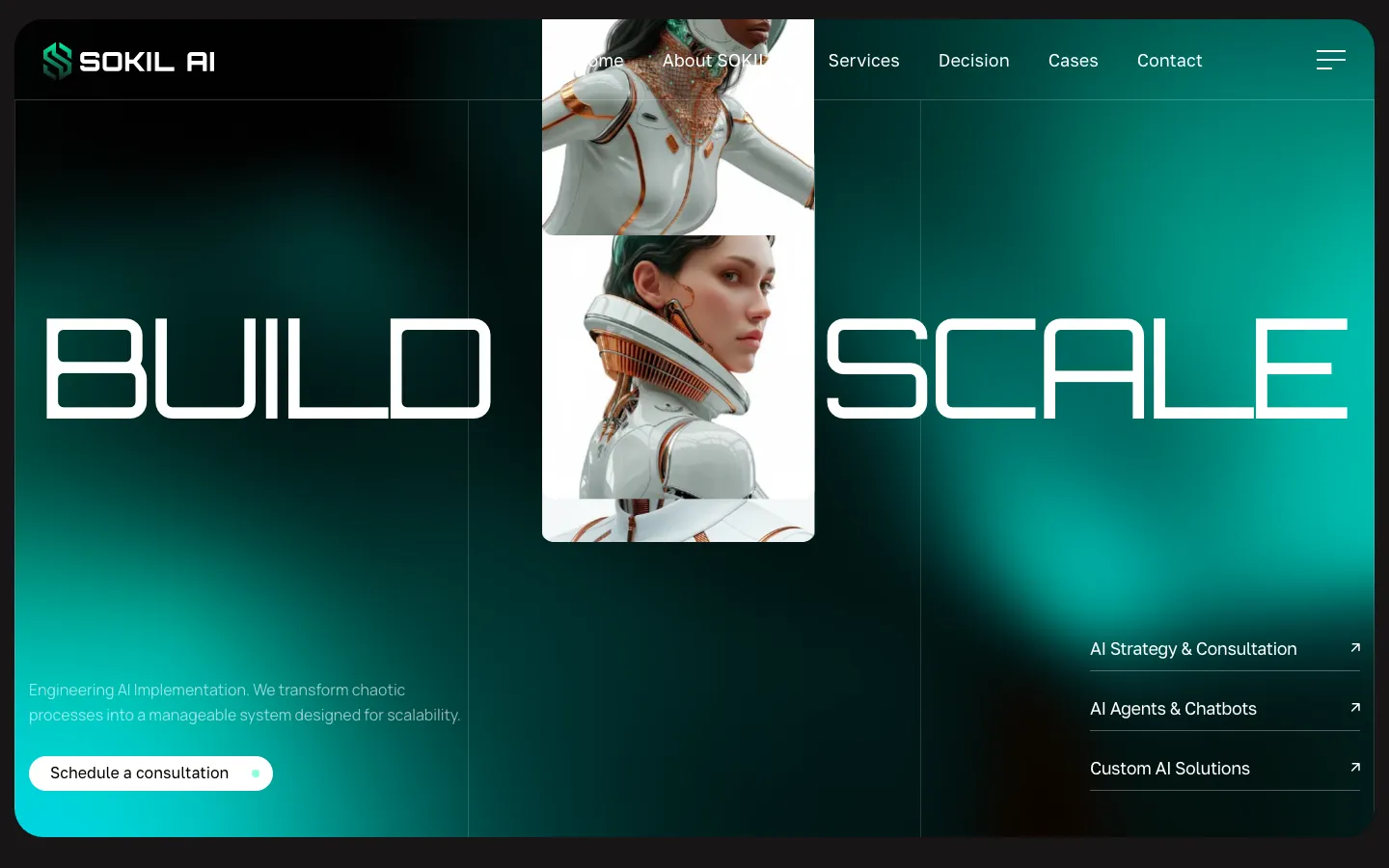
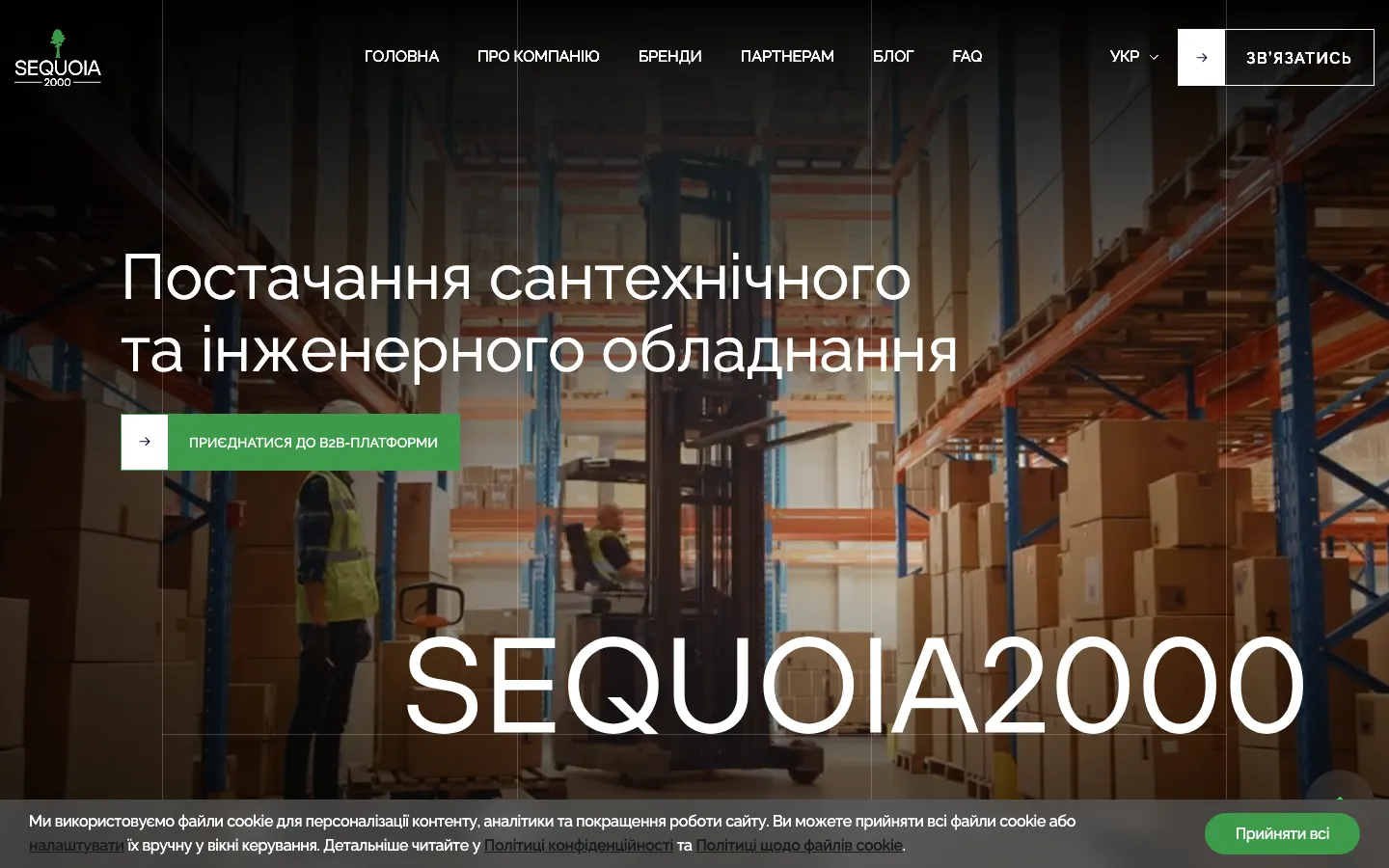
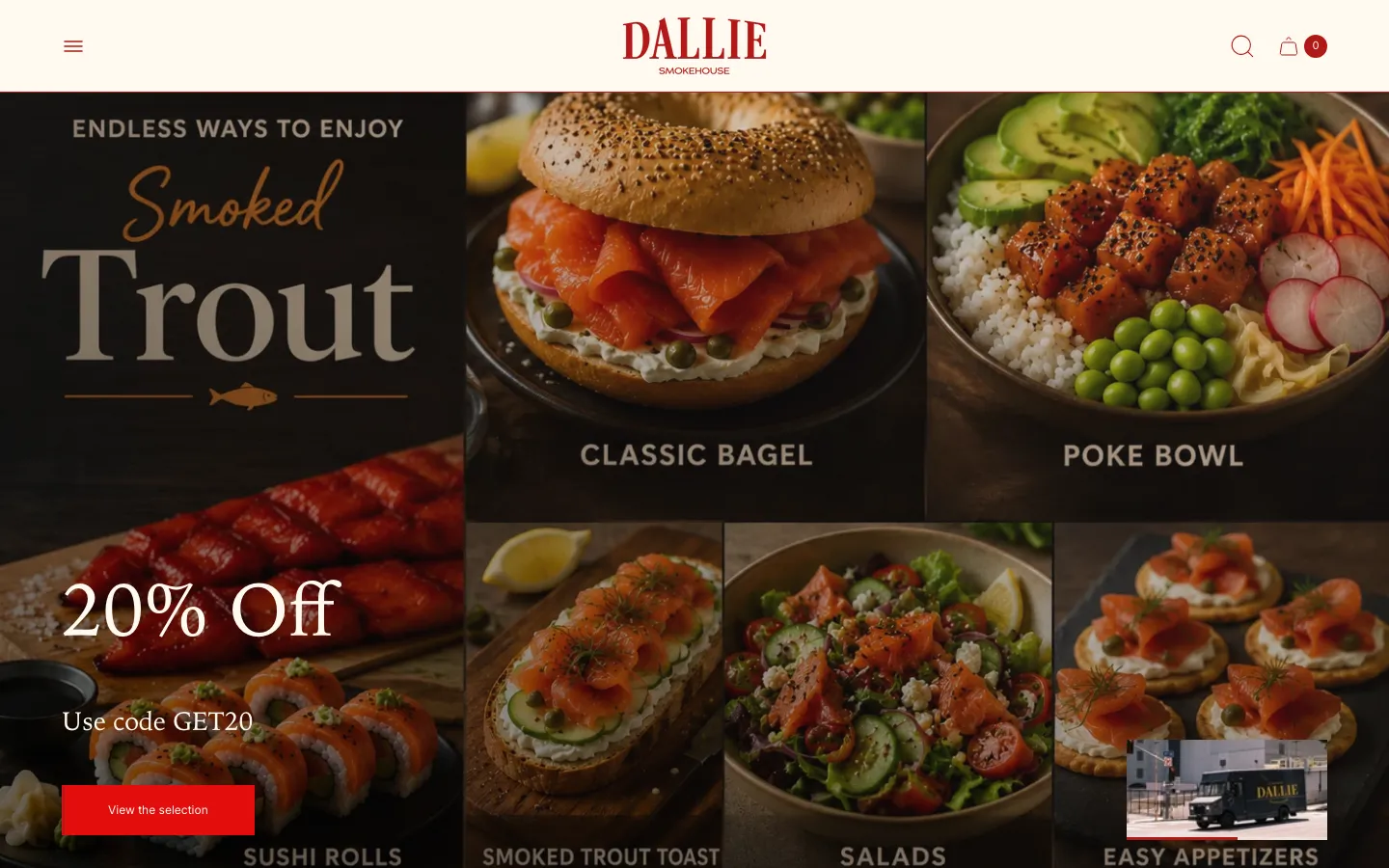
Examples from our portfolio in Poland and other markets, selected for the type of work. Each case describes the scope we delivered.
Scope and starting prices
- Logo and basic applications
- from €500
- Visual identity
- from €1 000
- Brandbook and agreed templates
- from €2 000
These are HeadPills starting prices. The final amount covers the agreed scope; content, translation, production and third-party costs must be identified in the proposal.
Full pricingQuestions
Before starting your project
Can we order branding and a website for our Berlin business together?
Yes. We agree the identity deliverables and website scope separately, then coordinate their approval and handover. Packaging, copywriting and third-party production are included only when named in the proposal.
Is HeadPills based in Berlin?
HeadPills is based in Wrocław, Poland. We work remotely through a written brief, shared previews and agreed approvals. Any in-person meeting would be arranged in Wrocław.
How are the price and delivery date agreed?
First we agree the deliverables, functions and approval stages. The proposal states the scope, price, content dependencies and delivery date. Additional languages, licences and platform fees are identified separately.
Tell us what you want to build.
For an initial estimate, include:
- Your offer, audience and current website or identity
- Launch materials, languages and who reviews the local copy
- Required integrations or editable templates, deadline and decision-maker
An outline is enough. We do not need passwords or your customers’ personal records.