Brand identity design for businesses in Lisbon.
Give your team a brand they can apply consistently across the website, presentation and daily communications. HeadPills develops the visual identity and agreed working templates remotely from Wrocław. We coordinate in English and establish who reviews Portuguese wording before it becomes part of the design.
- Decide
- Offer and visual direction
- Apply
- Real working formats
- Hand over
- Files, rules and ownership
What should the brand help a small team do?
A useful brand project gives the team a shared way to introduce the company and produce its recurring materials. It should reduce uncertainty about names, hierarchy, imagery and tone. Begin with the offer you can deliver now and the people it is intended for. When positioning is unclear, collect the competing explanations before moving to logo concepts. Design can express a choice, but it cannot make that business choice disappear.
Introduce the business
Lisbon City Council’s innovation programme describes support for entrepreneurship and technology businesses. For a young company within that wider environment, the first identity applications may be a website, presentation and product demonstration. These are examples to consider, not a claim that every Lisbon business is a startup. A professional service or established studio may have a different set of priorities, which should determine the project’s deliverables.
Keep production manageable
A small team often needs materials that several people can update without a designer present. The identity should establish what stays constant and which elements can change. Too many optional treatments can be as difficult to use as too few. We test the system through ordinary tasks: replacing a headline, adding a project or preparing an announcement. That makes usability part of the design discussion rather than a problem left for handover.
Translate the business brief into design criteria
- Audience and alternatives
- Describe the situation in which a customer chooses you and the alternatives they consider. Include existing ways of solving the problem, not only visually similar agencies or products. This helps decide whether the identity needs to emphasise clarity, personal expertise, product structure or another relevant quality. Avoid defining the entire brief through broad adjectives such as innovative and premium; they do not tell a designer what the customer needs to recognise.
- Evidence and boundaries
- Collect the proof the brand can legitimately use: delivered projects, a working product, team experience and approved customer comments. Distinguish company experience from work performed by individuals elsewhere. Do not place a client logo in a presentation without permission or imply a partnership from use of a software platform. A credible identity makes the available evidence easier to understand without manufacturing a larger company history.
- A direction the team can explain
- Approve a direction using its relationship to the brief and applications. Explain why the type, colour roles and image treatment suit the offer and how they will behave with real content. A team should be able to describe the logic without recalling the designer’s entire presentation. This shared understanding helps future collaborators extend the brand without turning every new asset into a debate about unrelated visual preferences.
Choose the first useful identity toolkit
A logo package, a visual identity and a brandbook solve different parts of the problem. Establish the deliverables before choosing a price. A company does not automatically need every possible format at launch, but the formats it does need should be ready for use. Separate approved designs, editable templates and production exports so that everyone understands what the engagement actually delivers.
Core identity
The core identity establishes the mark, appropriate variants, colour roles, typography and image principles. Test the mark at the scale of navigation, an avatar and a document header. Check monochrome use where it is relevant. Define a clear treatment for the company name and any product names, including the relationship between them. These decisions create consistency without requiring every communication to have an identical composition.
Applications for the next release
The application set may include a presentation, website direction, social formats and a product announcement. Select these from the team’s real calendar. For a presentation, design a dense explanatory page as well as the title; for social use, test a long headline and a photograph with a difficult crop. Website development, animation and campaign production are separate tasks unless they are explicitly part of the commissioned scope.
Give Portuguese and English applications equal attention
Characters and reading
Test Portuguese accents and the actual personal, place and product names that appear in the materials. Confirm that the selected font supports the necessary characters in the weights you intend to use. If the business operates in further languages, include them in the sample before approving typography. An attractive English-only specimen does not demonstrate that the identity will work in everyday Portuguese communication.
Translation and length
Approve translations with a person who understands the audience and the offer. A slogan can require adaptation rather than literal translation, while factual details need to remain consistent. Review both languages in their final layouts: title length, line breaks and captions can change the balance substantially. Do not solve every longer sentence by reducing the type until it is difficult to read.
Names across channels
Decide whether the business descriptor, product labels and service names change by language. Keep a short terminology record with the approved forms. Use it for the website, presentation and external profiles, and appoint someone to update it when the offer changes. Project coordination can take place in English; that does not mean Portuguese copy approval is silently included or that the future customer-facing materials should all remain in English.
Prepare templates that survive everyday editing
Choose the real software
Ask which tools the team uses before building templates. A beautiful source file in software nobody can access is not a practical everyday asset. Check font availability, permissions and export behaviour in the chosen environment. Clarify which design sources remain with specialist users and which working files are intended for ordinary updates. The proposal should name both, instead of treating editable as a single universal property.
Define safe variation
Create clear rules for common variations: short and long headlines, one or several images, compact data and explanatory text. Identify the elements that should remain fixed and the parts editors may change. Avoid filling templates with generic claims the business cannot substantiate. Use realistic sample content so that the team can see how a finished page works and how much information it can comfortably carry.
Test handover tasks
Before closing the project, replace text and images, export the file and inspect the result with the person who will maintain it. Provide concise instructions for those recurring tasks and a known location for approved assets. If a new collaborator joins later, they should be able to find the current logo, fonts and templates without searching the entire history of project messages or accidentally using an abandoned concept.
Plan ownership, launch and the next change
Bring the next month’s real materials
Send the existing identity, your current explanation of the offer and the materials you need for the next launch or sales cycle. Include the intended languages, editing tools and people approving the work. If the business is being renamed, identify the separate name and rights checks required. Font, image and other third-party licences need to match their intended use; domain availability alone does not confirm rights to a name.
HeadPills starts logo projects at €500, visual identity at €1,000 and brandbooks at €2,000. The final proposal defines your applications, file formats, revisions and responsibilities. Translation, legal review, photography, print production and website implementation are identified separately where needed. We work remotely from Wrocław with shared previews. After rollout, judge the system by how clearly it communicates and how reliably the team can use it, rather than assuming a new logo alone proves commercial growth.
See the scope in published projects
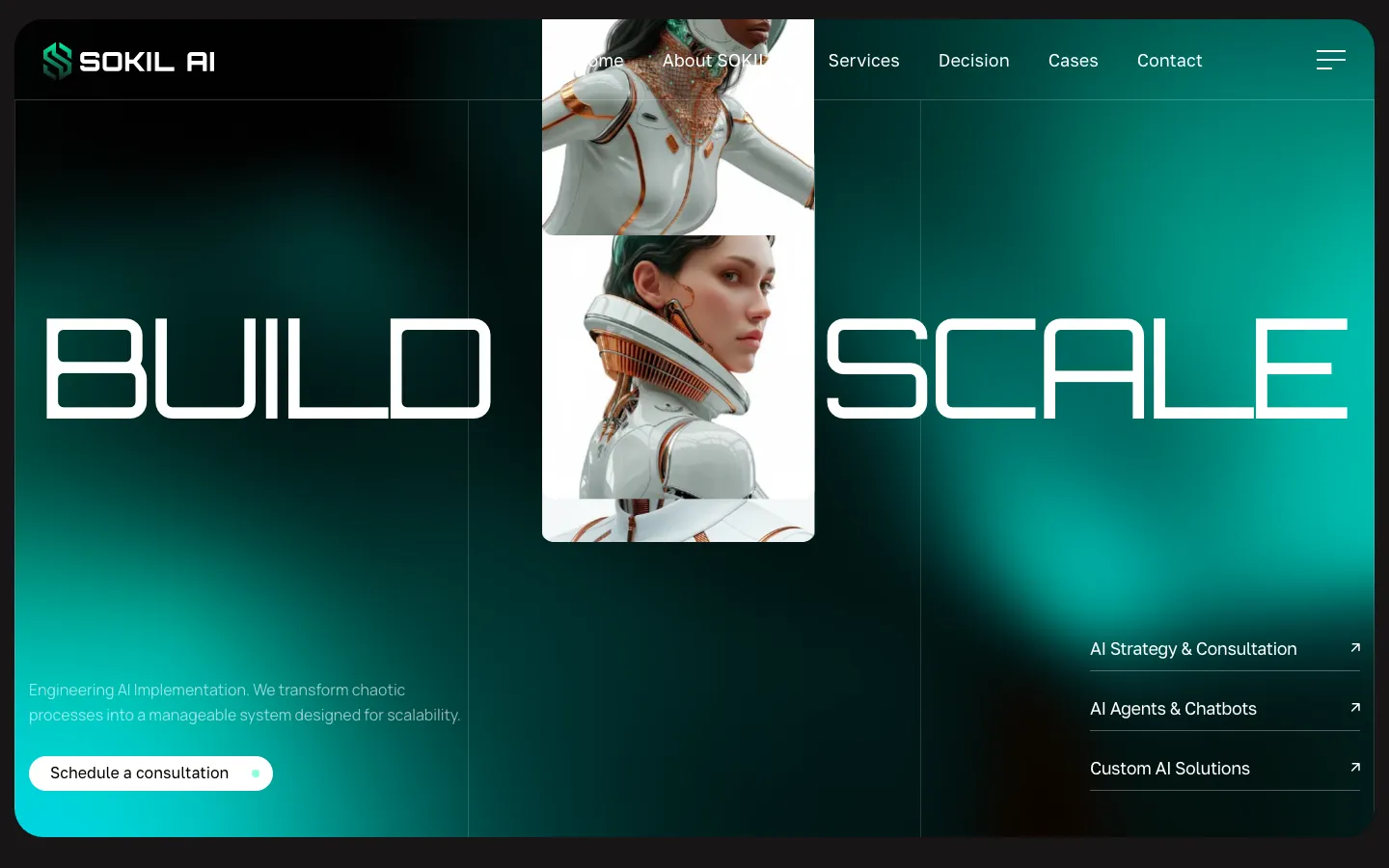
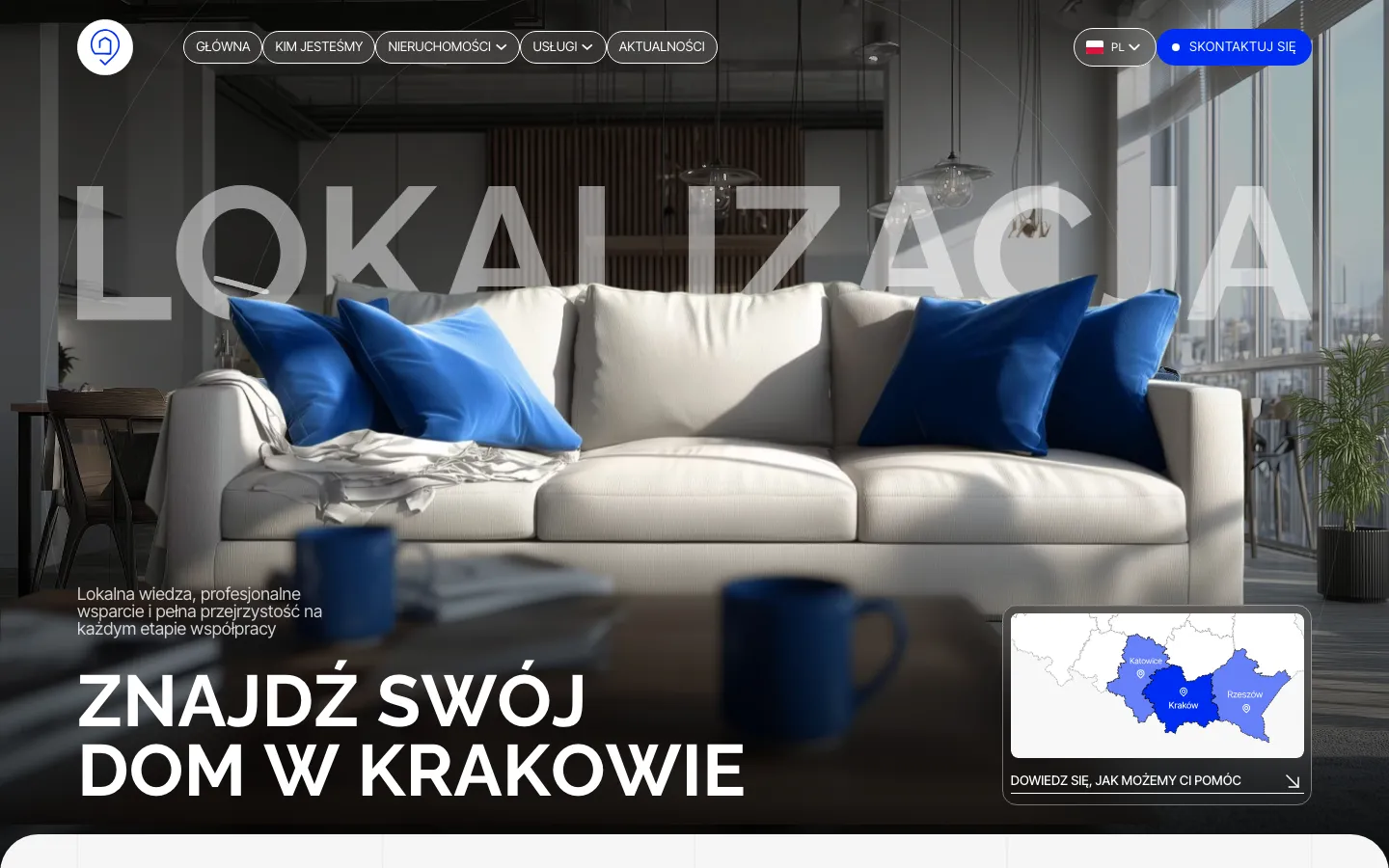
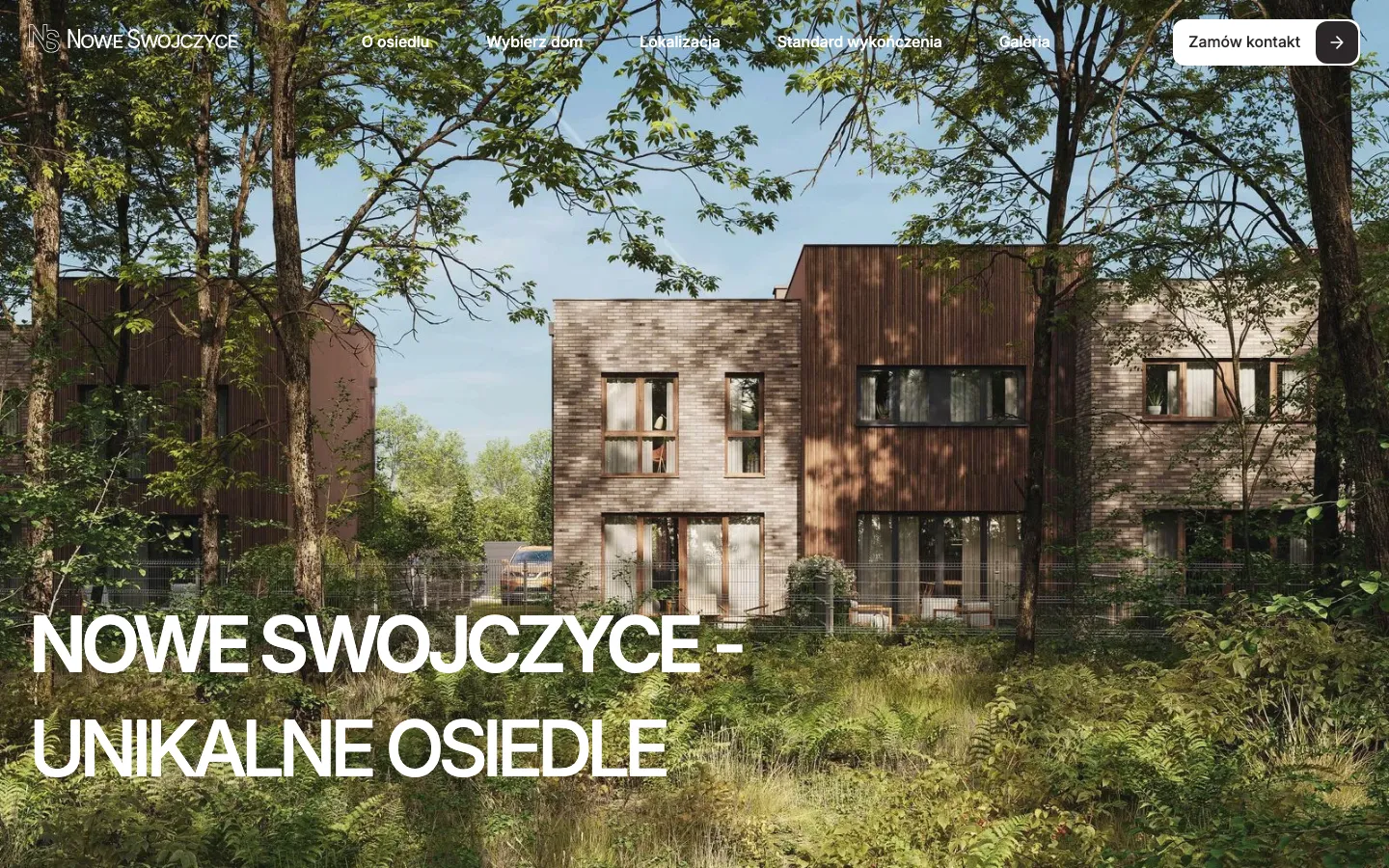
Examples from our portfolio in Poland and other markets, selected for the type of work. Each case describes the scope we delivered.
Scope and starting prices
- Logo and basic applications
- from €500
- Visual identity
- from €1 000
- Brandbook and agreed templates
- from €2 000
These are HeadPills starting prices. The final amount covers the agreed scope; content, translation, production and third-party costs must be identified in the proposal.
Full pricingQuestions
Before starting your project
Can we order branding and a website for our Lisbon business together?
Yes. We agree the identity deliverables and website scope separately, then coordinate their approval and handover. Packaging, copywriting and third-party production are included only when named in the proposal.
Is HeadPills based in Lisbon?
HeadPills is based in Wrocław, Poland. We work remotely through a written brief, shared previews and agreed approvals. Any in-person meeting would be arranged in Wrocław.
How are the price and delivery date agreed?
First we agree the deliverables, functions and approval stages. The proposal states the scope, price, content dependencies and delivery date. Additional languages, licences and platform fees are identified separately.
Tell us what you want to build.
For an initial estimate, include:
- Your offer, audience and current website or identity
- Launch materials, languages and who reviews the local copy
- Required integrations or editable templates, deadline and decision-maker
An outline is enough. We do not need passwords or your customers’ personal records.