Brand identity design for businesses in Madrid.
Present several services as one coherent company. HeadPills develops visual identities and agreed sales materials for Madrid businesses, clarifying how the company, offers and applications fit together. We coordinate remotely in English from Wrocław and implement approved Spanish wording.
- Company
- The identity people recognise
- Services
- Offers they can distinguish
- Materials
- Documents they can use
Make the company and its offers easy to distinguish
When a company grows, each service can accumulate its own presentation, colours and wording. Customers may see several unrelated businesses where the team sees a single organisation. A branding project can clarify that relationship. Start by mapping the company name, divisions, products and campaigns, then decide which levels need their own visual treatment. A new logo for every service is not the only way to make the catalogue understandable.
One identity with several services
If services share a reputation and audience, a common identity with clear descriptors may be enough. Consistent typography and layout can connect the materials while headings and content distinguish the offers. This approach needs testing with real sales documents, not only a diagram of the brand family. A prospective customer should understand who provides the service and how it relates to the rest of the company.
A family of separate offers
If offers address substantially different audiences or buying situations, a stronger distinction may be justified. Define what remains shared and what can vary. Consider how the system will accommodate a future service without designing an entirely new identity each time. Invest in Madrid describes an internationally connected business setting; for your project, the relevant question is how your actual customers encounter and compare the offers, locally or across markets.
Write a clear brief for the identity you need
- The buying situation
- Describe the decision the customer is making and the alternatives they consider. A company selling recurring professional support has a different communication task from a consumer product launch. Collect the language customers use in enquiries and sales discussions. It can reveal which internal labels need explanation and which distinctions matter outside the organisation. The brief should reflect those decisions rather than rely entirely on references chosen for their visual style.
- The promise and its evidence
- Separate what the company can prove from what it hopes to achieve. The identity can express confidence without inventing expertise, partnerships or customer results. Claims about certifications, market leadership or performance need confirmation from the responsible business owner. If a presentation includes a project completed with partners, describe the company’s actual role. This provides a reliable basis for design and avoids a polished visual system carrying inaccurate messages.
- The materials that carry it
- List the recurring applications: company presentation, individual service proposal, website, reports, social communication or event material. Rank them by current use. A brand project should make the important formats work first, rather than produce a large collection of attractive but unused mockups. The application list also exposes dependencies such as photography, approved Spanish copy or specifications from a printer.
Let Spanish and English content shape the working system
A bilingual identity needs more than a translated slogan. It must handle the actual service names, longer descriptions and practical information used in each language. Agree the role of Spanish and English in the customer journey before finalising templates. Project coordination can happen in English; the public wording still needs an appointed reviewer who understands the Spanish-speaking audience and the company’s field.
A stable brand name
Decide which names remain fixed across languages and how the company descriptor appears with them. Test accented characters, ñ and punctuation in the chosen typefaces. Check the mark and descriptor together at small sizes, including a website header and document footer. If the business is considering a new name, arrange appropriate rights review. A visual concept or available domain does not establish that the name is legally clear for its intended use.
Flexible explanations
Allow explanatory content to adapt where the audience needs different context. An international presentation may need to explain delivery arrangements that local clients already understand. Shared facts must remain consistent, however: scope, responsible entity and service conditions should not change accidentally in translation. Review the designed materials in both languages so that long text does not force unreadable sizes or awkward manual workarounds.
Design the sales toolkit with real information density
Company overview
The company overview should explain the relationship between the organisation and its offers without requiring a lengthy narrative. Give the reader a useful opening, a clear scope map and relevant evidence. Test the layout with real names and descriptions. An attractive cover is only one application of the identity; the explanatory pages show whether the visual language can support the business’s actual selling process.
Service proposal
A service proposal needs space for the customer’s situation, deliverables, assumptions and commercial details. The template should distinguish those roles clearly. Decide which elements are fixed and which the team edits for each opportunity. If pricing tables or schedules are included, use realistic long entries to test them. A document that looks good only with short placeholder copy creates unnecessary editing work for the people who need it most.
Evidence and reporting
Project summaries and reports should make evidence readable without overstating it. Define typography for captions, sources and qualifications as well as headlines. Use colour and graphics consistently, but avoid decorative charts that imply measurement where none exists. If customer names or quotations are used, confirm permission. The resulting system should help the company communicate accurately, including where the honest result is a delivered function rather than a quantified revenue increase.
Prepare the identity for the people who will maintain it
Usable source formats
Name the software in which templates must be editable and test it with the intended users. The design source and the everyday working file may be different deliverables. Provide useful exports for agreed channels and explain when each should be used. Staff should be able to replace a title or image without accidentally changing the company’s mark, type hierarchy or essential legal information supplied by the business.
Third-party materials
Identify fonts, photographs, illustrations and other material with external licences. Clarify who obtains the permissions needed for website use, documents, production and collaborators. Purchasing one asset does not automatically resolve every intended use. The contract should also state rights in the commissioned work and any relevant limitations. These questions belong before final approval, particularly when several suppliers will reproduce the identity.
Version and approval rules
Keep approved assets separate from concepts and superseded versions. Give the business a clear location for current files and a simple approval process for new applications. Guidelines should show common decisions through actual examples rather than rely on abstract brand adjectives. Where the organisation has multiple teams, document who can alter the core identity and who can create routine material within the established system.
Estimate a defined set of applications and decisions
Send the current company and service materials
For an initial estimate, share the existing identity, company presentation and a representative service proposal with confidential details removed. Explain the audience, languages and any change in the offer that motivates the work. List the applications required for the first release and the people who approve them. If physical production is involved, include the supplier specifications or identify when they will be available.
HeadPills starting scopes are €500 for a logo, €1,000 for visual identity and €2,000 for a brandbook. The final proposal defines the identity assets, templates, file formats and review stages. Naming, translation, specialist review, photography, production and website implementation need explicit inclusion or separate estimates. We deliver remotely from Wrocław and judge the system by its clarity and practical use, without promising that a new identity alone will produce sales.
See the scope in published projects
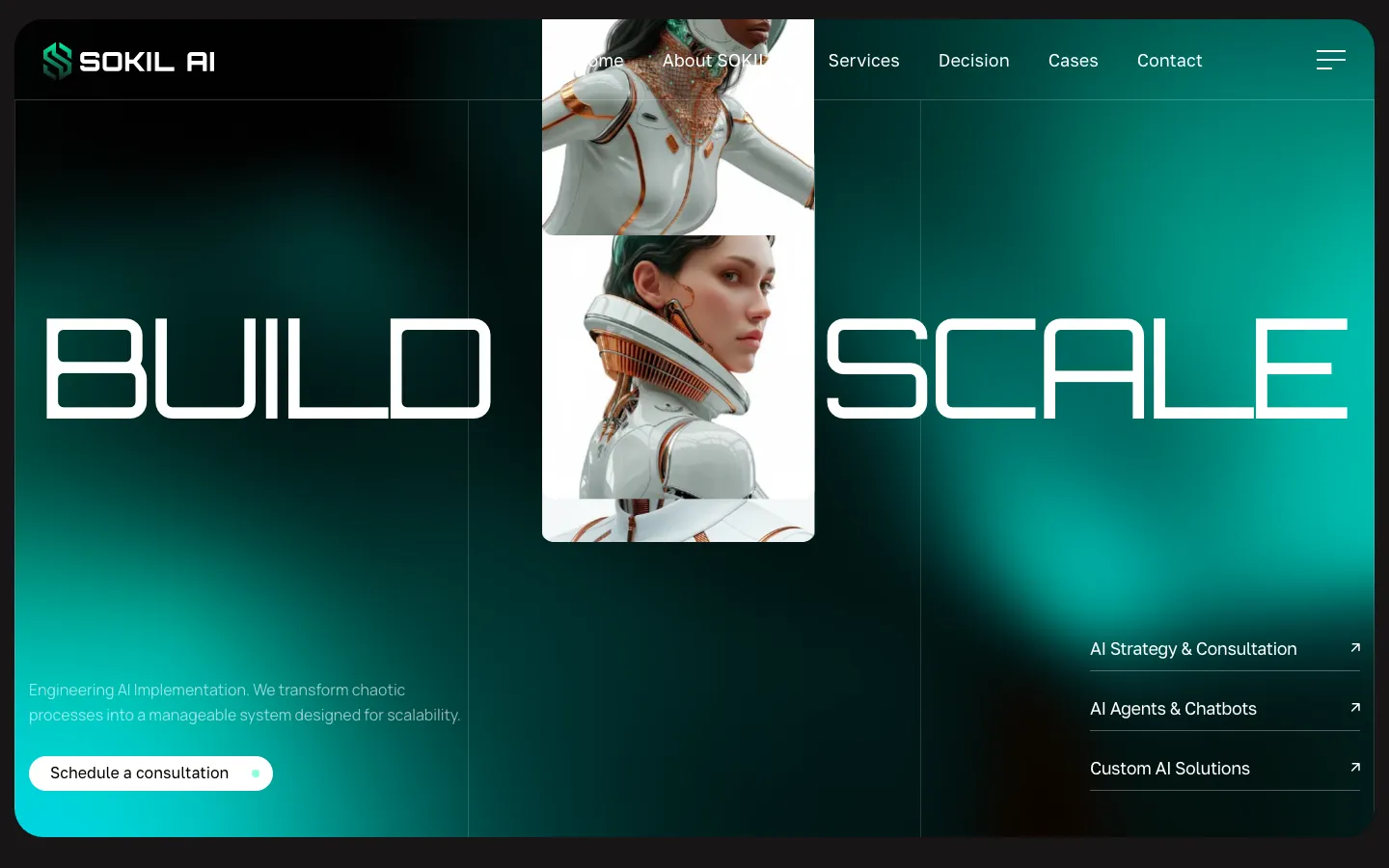
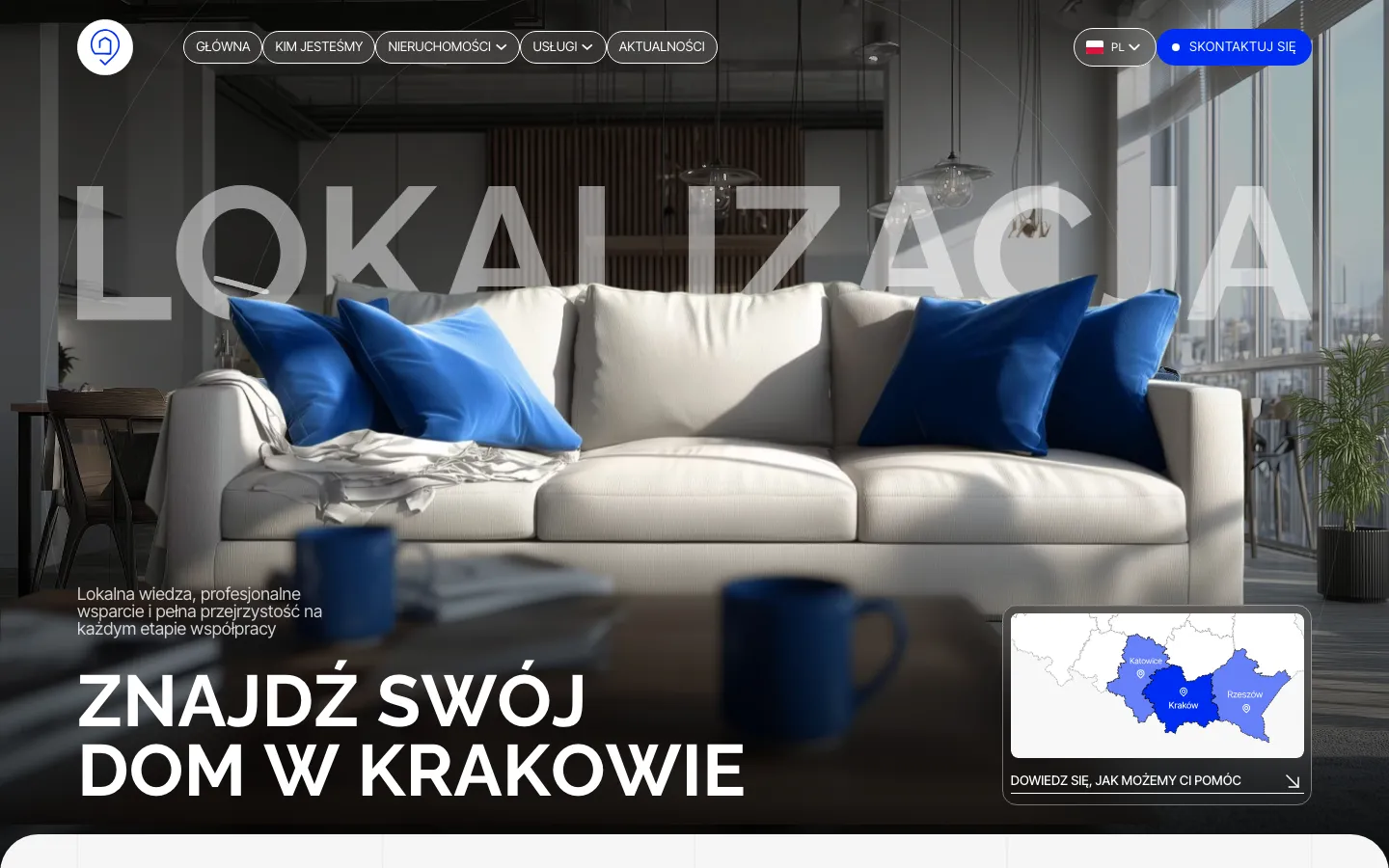
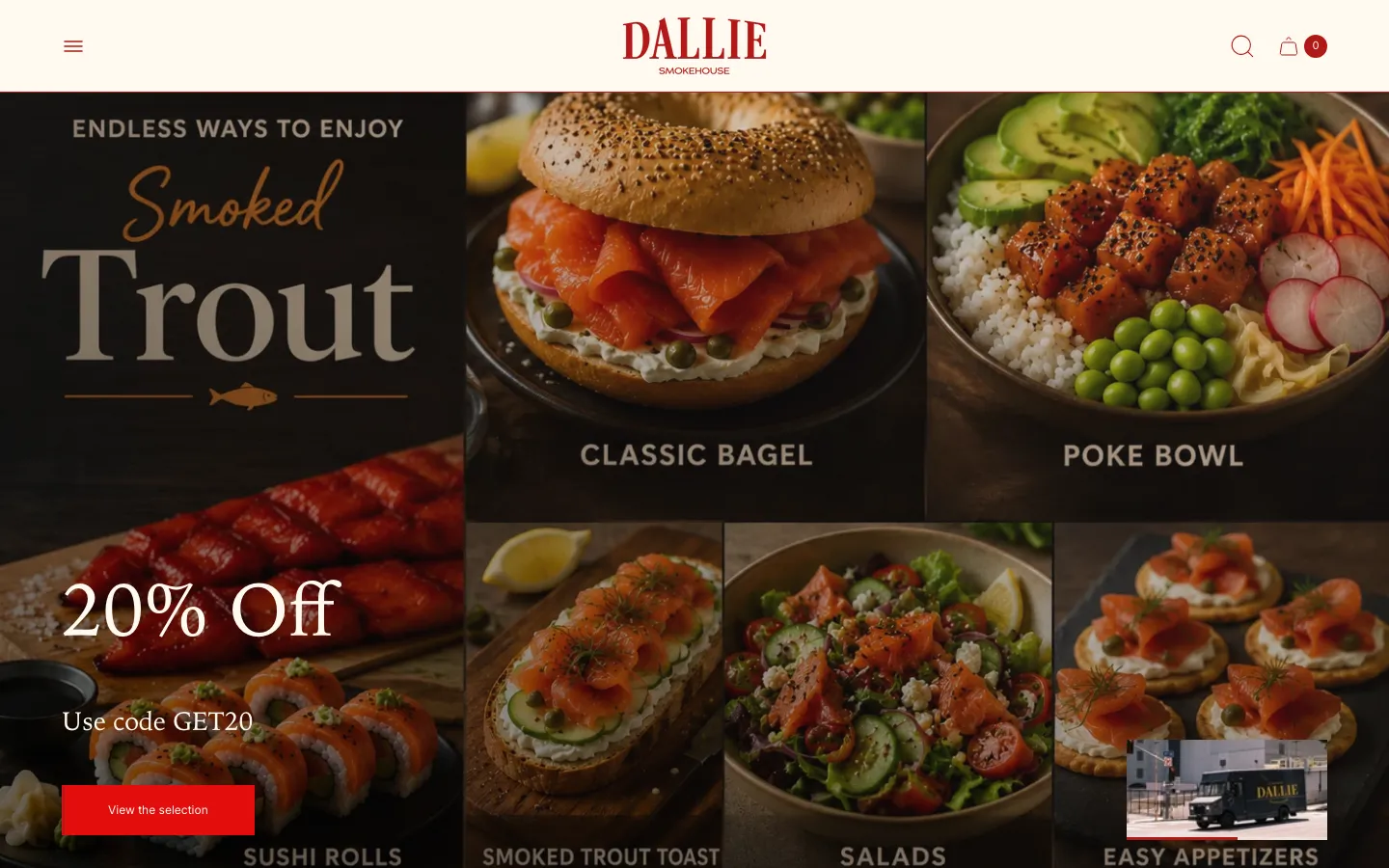
Examples from our portfolio in Poland and other markets, selected for the type of work. Each case describes the scope we delivered.
Scope and starting prices
- Logo and basic applications
- from €500
- Visual identity
- from €1 000
- Brandbook and agreed templates
- from €2 000
These are HeadPills starting prices. The final amount covers the agreed scope; content, translation, production and third-party costs must be identified in the proposal.
Full pricingQuestions
Before starting your project
Can we order branding and a website for our Madrid business together?
Yes. We agree the identity deliverables and website scope separately, then coordinate their approval and handover. Packaging, copywriting and third-party production are included only when named in the proposal.
Is HeadPills based in Madrid?
HeadPills is based in Wrocław, Poland. We work remotely through a written brief, shared previews and agreed approvals. Any in-person meeting would be arranged in Wrocław.
How are the price and delivery date agreed?
First we agree the deliverables, functions and approval stages. The proposal states the scope, price, content dependencies and delivery date. Additional languages, licences and platform fees are identified separately.
Tell us what you want to build.
For an initial estimate, include:
- Your offer, audience and current website or identity
- Launch materials, languages and who reviews the local copy
- Required integrations or editable templates, deadline and decision-maker
An outline is enough. We do not need passwords or your customers’ personal records.