Brand identity design for businesses in Munich.
An identity that works in the documents your customers actually read. HeadPills develops logos, visual systems and agreed templates for businesses in Munich, with particular attention to presentations, technical information and digital use. We work remotely from Wrocław and coordinate the project in English.
- Introduce
- A clear opening
- Explain
- Data, images and detail
- Decide
- Scope and next step
Start with the material that helps customers decide
If your team sells through meetings and proposals, the most important brand application may be a document someone reads after the call. It needs to explain the offer, carry evidence and make the commercial next step understandable. A striking cover alone will not do that work. We begin by reviewing the material used in a real sales process and identifying where inconsistent hierarchy or unclear relationships make the company harder to understand.
Sales-led businesses
For a technical supplier or professional service, a brand may need to accommodate diagrams, tables, photographs and long explanations. Munich’s municipal business information describes a varied economy including technology, mobility and creative industries; it supports considering these applications, not assuming a universal local style. The visual direction should suit your own product and buying process. We establish those requirements from the material you supply rather than copying a fashionable competitor.
Product and service families
If the business has several product lines or departments, agree how they relate. A shared company identity can carry distinct product names without creating a separate logo system for every offer. Conversely, clearly different audiences may need stronger differentiation. Map the hierarchy first: company, division, product and campaign are not interchangeable levels. This makes decisions about naming, colour and layout easier to justify when new offers are introduced.
Know what to preserve before changing the identity
- Existing recognition
- Collect the versions of the logo and documents currently used by sales, operations and external suppliers. Identify which are approved and where customers already recognise them. A redraw may improve reproduction without requiring a complete repositioning. An unfamiliar new symbol is not automatically a better business decision. We discuss the value of continuity and the actual shortcomings of the present identity before choosing the degree of change.
- Inconsistent applications
- Sometimes the core logo is serviceable while the surrounding materials have become inconsistent. Different typefaces, spacing and image treatments can make one company appear to be several unrelated organisations. In that case, a practical system and a small set of templates may address the problem more directly than a new name. Show the designer the difficult pages as well as the attractive ones: those often reveal what the system must support.
- A change in the offer
- A new audience, merger or expanded product range can justify a broader review. Describe what changed and how the company now wants to be understood. Keep the brand project separate from unconfirmed commercial claims: a visual identity cannot establish an engineering capability or certification the business does not have. Any such statement included in a presentation must be checked by the person responsible for its accuracy.
Typography must handle detail without losing hierarchy
Names and terminology
Test the chosen fonts with actual product names, abbreviations and long service headings. A display face that looks distinctive in a short slogan may be difficult to read in a specification. Establish different roles for headline, explanation, caption and data. A restrained hierarchy can still have character; it should help a reader distinguish a key claim from a condition or supporting note without repeatedly decoding the layout.
Numbers and tables
Tables need consistent alignment, readable units and enough space for the longest values. Check digits, decimal separators and repeated labels in realistic examples. Do not turn every numerical fact into a decorative diagram. Where charts are supplied, colour should not be the only way to distinguish series or states. Define a small, coherent notation system so that later reports can follow the same logic without requiring a designer for each page.
German and English versions
German compounds and English terminology place different demands on a grid. Test both with realistic line breaks and paragraph lengths. Confirm coverage of German characters and any additional languages in scope. If templates will be edited in office software, make sure the font can be used there under the relevant licence. Provide an agreed fallback where required, with a layout that remains usable when the preferred font is unavailable.
Specify the identity and the editable toolkit separately
A logo, identity system and template pack should have explicit deliverables. Define what exists at the end of the engagement and what remains a separate production task. This prevents a presentation full of examples being mistaken for an editable toolkit. It also lets you prioritise the assets the company uses frequently before commissioning formats that have no immediate owner or channel.
Core visual identity
The core identity can include the approved mark, its practical variants, colour roles, type hierarchy and image direction. Test it in monochrome and at the small sizes required by the project. Explain minimum reproduction conditions through examples appropriate to the business. A technical supplier might need an unobtrusive mark on a dense document; a consumer product may need a different balance between name and information on a small package.
Working documents and assets
For working documents, agree the actual application and software: proposal, case presentation, report or product sheet. Include representative content, not empty boxes. Test editing a long title, replacing an image and adding a new row. The person receiving the files should know which elements are fixed and which can change. Editable sources and exported PDFs serve different purposes and both need clear naming and version control.
Review design with evidence rather than a preference vote
Agree decision criteria
Before evaluating concepts, list the criteria that matter: recognisability, fit with the offer, clarity at required sizes and usability across agreed applications. Give one person responsibility for consolidating feedback. Comments are more actionable when they identify a specific failure, such as a label becoming unreadable, than when they request a generally more premium feeling without explaining the intended audience or use.
Inspect full applications
Review a coherent application set for the selected direction. It should include a dense page as well as an expressive one, a small digital use and any critical physical format. This shows the system’s range. If print or signage is included, obtain supplier specifications and allow for proofs where appropriate. Mockups communicate a proposal but do not verify fabrication, material colour or installation conditions.
Approve the handover
At handover, check that the approved files open in the agreed tools and contain the intended content. Supply a concise guide to file formats, exports, typefaces and recurring layouts. Clarify which third-party licences the business needs and who maintains the master files. Name clearance and trademark registration require appropriate legal review; they are not established by a logo presentation or by finding an available domain.
Prepare a brief around the first useful toolkit
Show us a real proposal
Send an existing proposal or presentation with private information removed, your current identity, the audience you want to reach and the list of materials used most often. Explain whether the work is a new brand, a limited refresh or a change in positioning. Tell us who edits documents and which software they use. A concrete set of applications makes the estimate more meaningful than a request for a certain number of guideline pages.
HeadPills starting prices are €500 for a logo, €1,000 for visual identity and €2,000 for a brandbook. The final proposal specifies applications, editable files, review stages and dependencies. Naming, translation, photography, production and a website are separate items unless included explicitly. We coordinate remotely in English from Wrocław, using shared previews and consolidated feedback; the outcome is an agreed usable system, not a promise that a new identity alone will increase sales.
See the scope in published projects
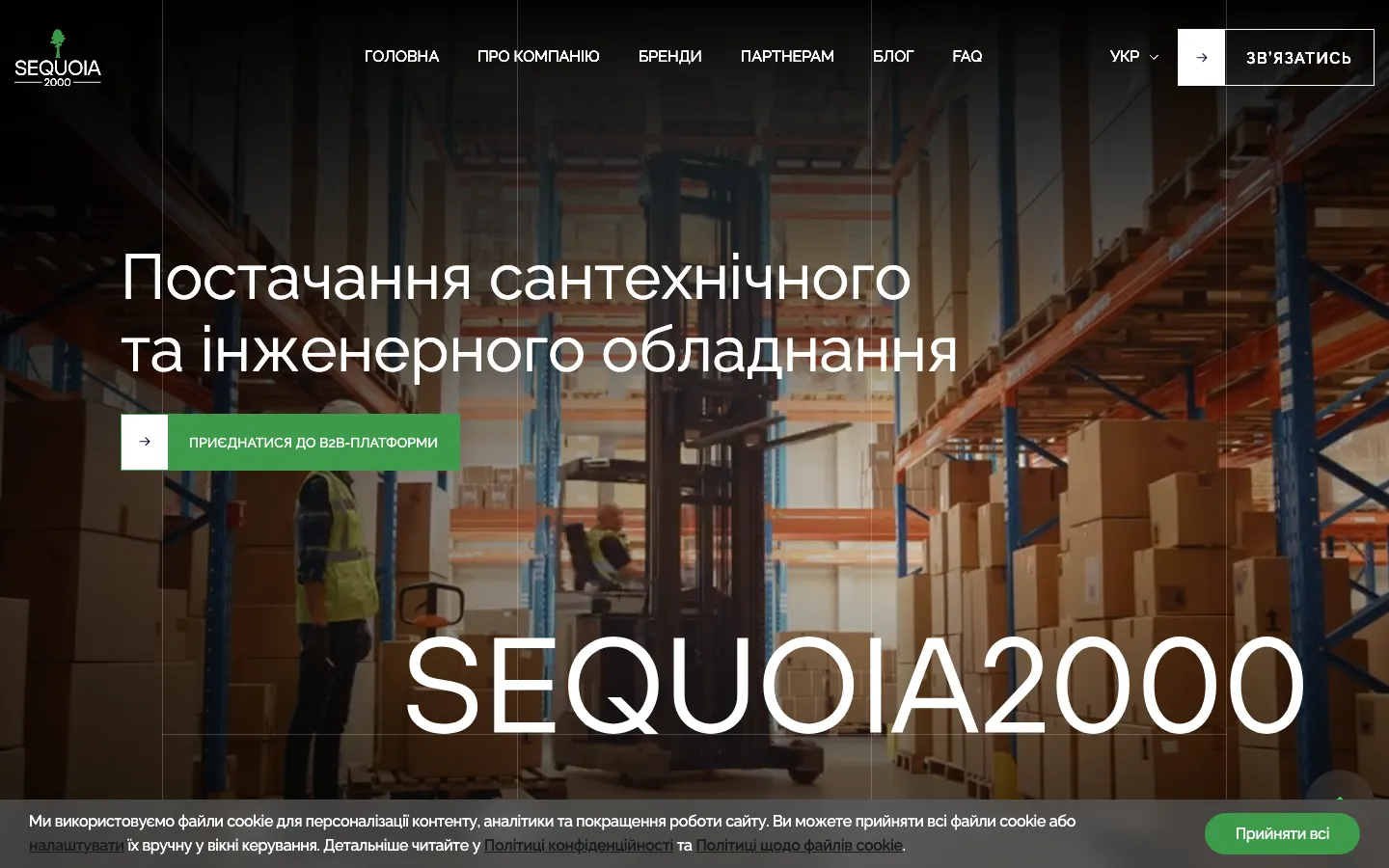
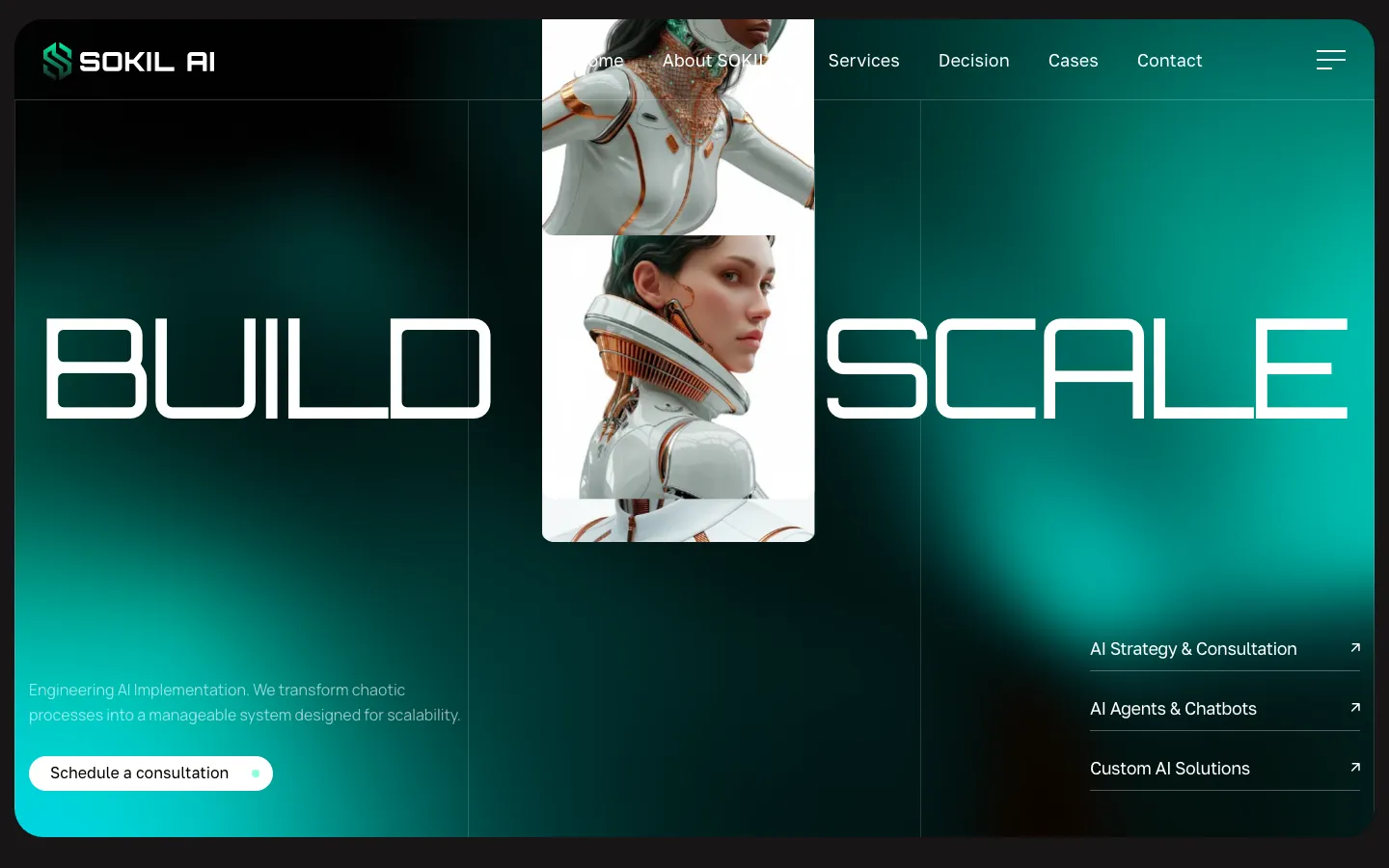
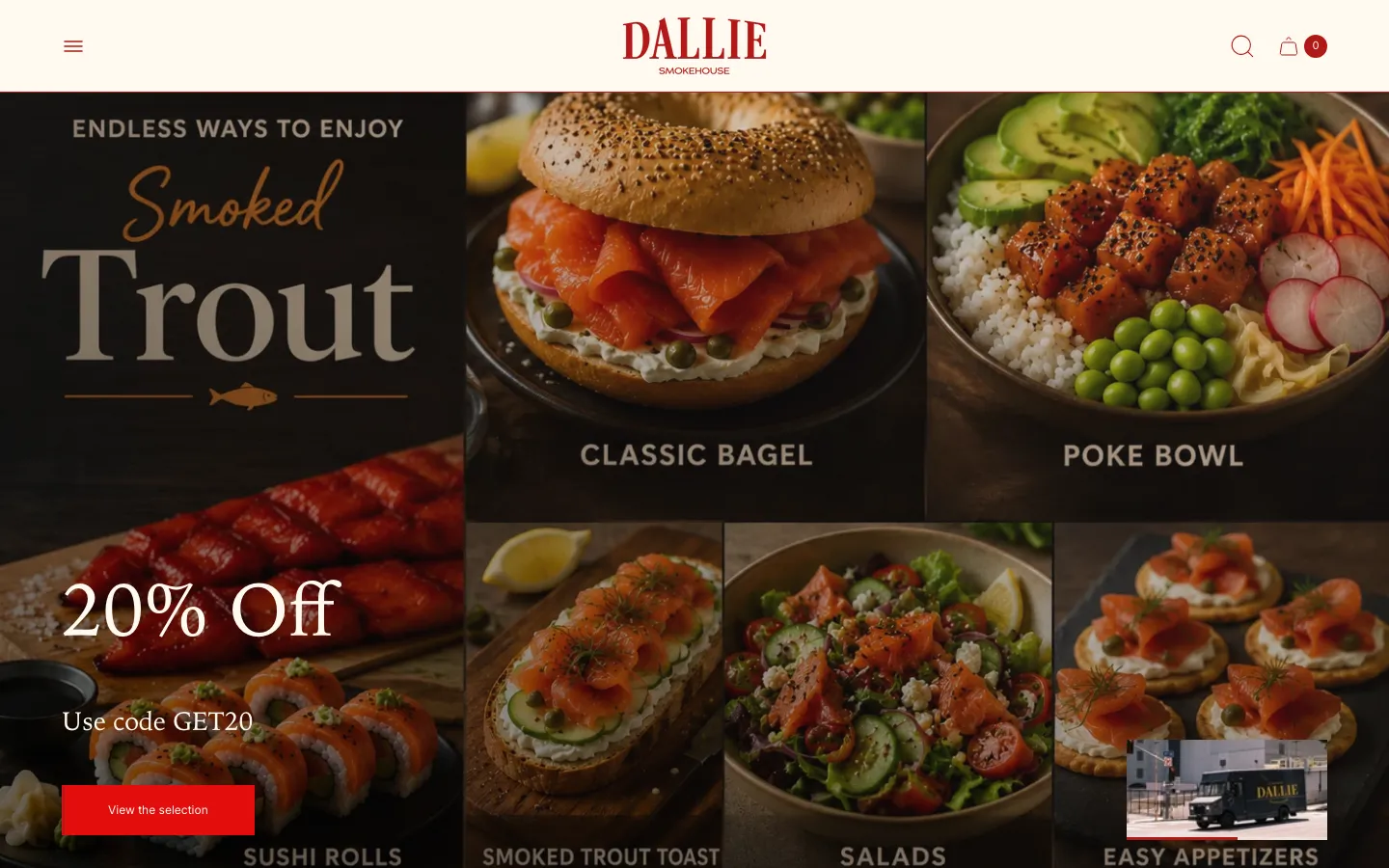
Examples from our portfolio in Poland and other markets, selected for the type of work. Each case describes the scope we delivered.
Scope and starting prices
- Logo and basic applications
- from €500
- Visual identity
- from €1 000
- Brandbook and agreed templates
- from €2 000
These are HeadPills starting prices. The final amount covers the agreed scope; content, translation, production and third-party costs must be identified in the proposal.
Full pricingQuestions
Before starting your project
Can we order branding and a website for our Munich business together?
Yes. We agree the identity deliverables and website scope separately, then coordinate their approval and handover. Packaging, copywriting and third-party production are included only when named in the proposal.
Is HeadPills based in Munich?
HeadPills is based in Wrocław, Poland. We work remotely through a written brief, shared previews and agreed approvals. Any in-person meeting would be arranged in Wrocław.
How are the price and delivery date agreed?
First we agree the deliverables, functions and approval stages. The proposal states the scope, price, content dependencies and delivery date. Additional languages, licences and platform fees are identified separately.
Tell us what you want to build.
For an initial estimate, include:
- Your offer, audience and current website or identity
- Launch materials, languages and who reviews the local copy
- Required integrations or editable templates, deadline and decision-maker
An outline is enough. We do not need passwords or your customers’ personal records.