Brand identity design for businesses in Porto.
A visual identity that connects your products, catalogue and customer-facing materials. We develop the logo, graphic rules and agreed applications with real content and production constraints. HeadPills works remotely from Wrocław, with English project coordination and an agreed review of Portuguese wording.
- On the shelf
- Name and label
- On the screen
- Image and product page
- With a partner
- Catalogue and order reference
Build recognition around the offer people actually buy
A brand is encountered in fragments: a label, a social image, a product page, a proposal or a document sent by a partner. Those fragments should help someone recognise the same business and understand the offer. Start by gathering them. We look for inconsistent names, unclear hierarchy and applications that the current identity cannot handle. This establishes a practical design problem before discussing colours or alternative logo concepts.
A product range
For a product business, identify the relationship between the company, product family and individual item. A buyer must be able to distinguish variants without wondering whether they belong to different brands. The system needs to work for the current range and a plausible next addition. That does not require inventing future products; it means testing the layout with different name lengths, categories and information densities already present in the assortment.
A service or creative business
For a service or creative business, the recurring unit may be a project, package or proposal rather than a physical product. InvestPorto includes culture and creative industries among its business activities, but a local category does not determine your visual style. We derive the applications from your actual work. The identity should accommodate the images and explanations that show your expertise, rather than force every project into the same decorative treatment.
Resolve naming and information hierarchy early
- What stays constant
- Agree the business name and descriptor that will appear across materials. If the name is being changed, separate naming and legal review from the visual development. A free domain or social handle does not establish trademark availability. Before committing to production, use the appropriate professional checks for the markets where the brand will operate. The design project can prepare the visual system without pretending to provide legal clearance.
- What distinguishes the item
- List the information customers need to identify a product correctly: family, item, size, material or another meaningful attribute. Decide which element is most prominent and how secondary details are presented. Colour can help but should not be the only identifier. A monochrome document, poor lighting or an inaccessible colour pairing can remove that distinction. Names, references and layout need to carry the relationship as well.
- What changes by market
- For Portuguese and English use, determine which names are fixed and which descriptions are translated. Check accents and special characters in the selected typefaces. Information needed for a particular market should be approved by the responsible specialist; the designer should not invent product claims or required label wording. Freeze approved text at a defined stage and keep a record of later corrections so that the website and production artwork remain aligned.
Test the visual system on awkward applications
A convincing identity presentation should include the applications that are difficult to fit, not only generous mockups with little text. Take the longest product name, the smallest label and the most information-heavy catalogue page. Working through these examples reveals whether the system is robust. It also makes the agreed scope tangible: the customer can see which formats have been designed and which will need further work.
A compact physical surface
A label has a fixed physical area and production constraints. Obtain its dimensions, safe areas, material and print specifications from the supplier. If a barcode or other operational identifier is required, preserve the technical conditions supplied by the responsible party. Screen artwork is not a final print proof. Test samples, production preparation and liaison with the supplier need explicit inclusion where the project requires them.
A flexible digital surface
A product page can reveal information progressively through a readable layout, but it also has small-screen and image-cropping constraints. The identity should define how titles, prices, specifications and photographs relate. A social image may need a different composition rather than a miniature product page. Website implementation and social publishing are separate tasks unless commissioned; the brand files should make those later applications coherent without implying they have already been built.
Give imagery and supporting graphics useful roles
Choose image purposes
Distinguish identification photographs from contextual images. The first help customers compare products and inspect details; the second can communicate scale, material or use. A brand direction should specify their roles and cropping principles. Commissioned photography, retouching and rights clearance must be scoped separately. We can work with supplied material, but its quality and permitted uses should be established before the design depends on it.
Keep the family recognisable
Use a limited set of repeatable decisions to connect a range: type hierarchy, spacing, framing and colour roles. Repetition should support recognition without making every application identical. For example, a partner catalogue needs clear references and dense information, while a launch image can give one product more space. Explain how both belong to the same system so that a future designer can extend it with judgment rather than copying a single composition.
Prepare working templates
Choose templates according to the team’s real workflow. A catalogue cover, product sheet, price update and social announcement may have different editors. Confirm the software and fonts those editors can use. Include actual sample text and images, then test replacement content. A template that only works with the original short headline has not solved the recurring production task for which it was commissioned.
Make production and handover part of the brand project
Source files and exports
List the source formats, print exports and digital assets in the proposal. Include the logo variants needed for the agreed applications and a clear naming scheme. Identify third-party fonts or imagery and the licences required for the intended use. The business should be able to give a supplier the correct asset without sending an entire archive of concepts. Contractual rights and any third-party restrictions should be understandable before handover.
Approved versions
Define who approves text, design and production proofs. Keep the master files in a known location and record which version is current. An old price sheet or superseded label can remain in circulation even after a successful brand launch. The handover should explain how new content is prepared and checked. It should also distinguish a visual preview from artwork that is ready for a specific production process.
A realistic rollout
Coordinate the website, social profiles, partner documents and physical stock. A company may need a transition period while existing packaging is used, so establish what can coexist without confusing customers. The identity itself cannot guarantee sales or placement with retailers. Its contribution is a consistent, practical presentation of the offer; commercial performance should be assessed with actual customer and order information after the rollout.
Prepare an application-led branding brief
Bring products and the places they appear
Send photographs or files for a representative part of your range, the current logo and the list of applications needed first. Include the languages, relevant supplier specifications and the tools your team uses. If the business sells both retail and wholesale, explain how those audiences receive information. If it is a service business, send a typical proposal or project presentation instead of manufacturing a product range for the exercise.
Our starting prices are €500 for a logo, €1,000 for visual identity and €2,000 for a brandbook. Packaging formats, naming, production coordination, translation and a website require defined inclusion or separate estimates. We agree the deliverables and review stages before work begins. Project coordination is remote from Wrocław, with shared previews and English discussion; Portuguese wording needs an appointed reviewer familiar with the offer.
See the scope in published projects
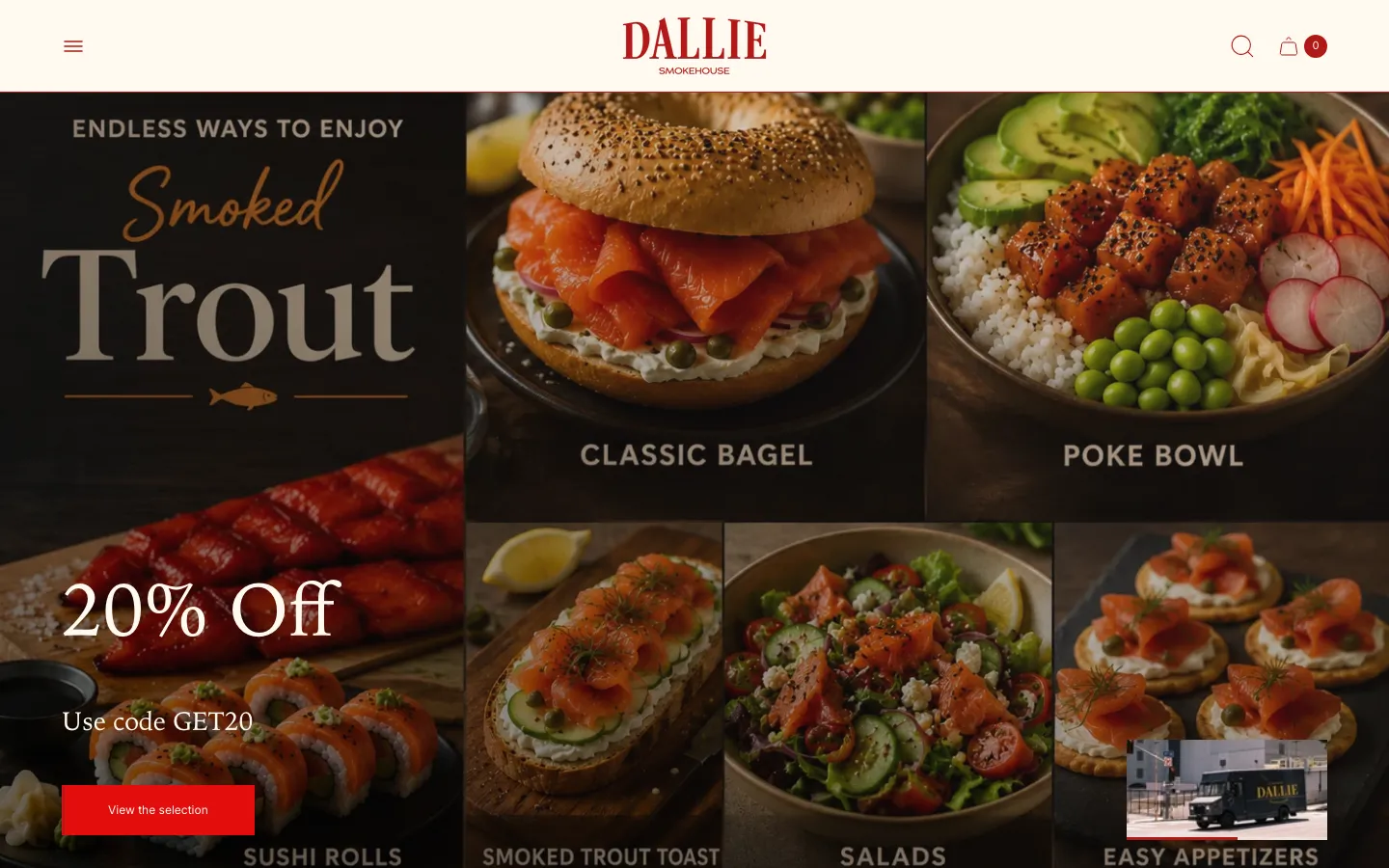
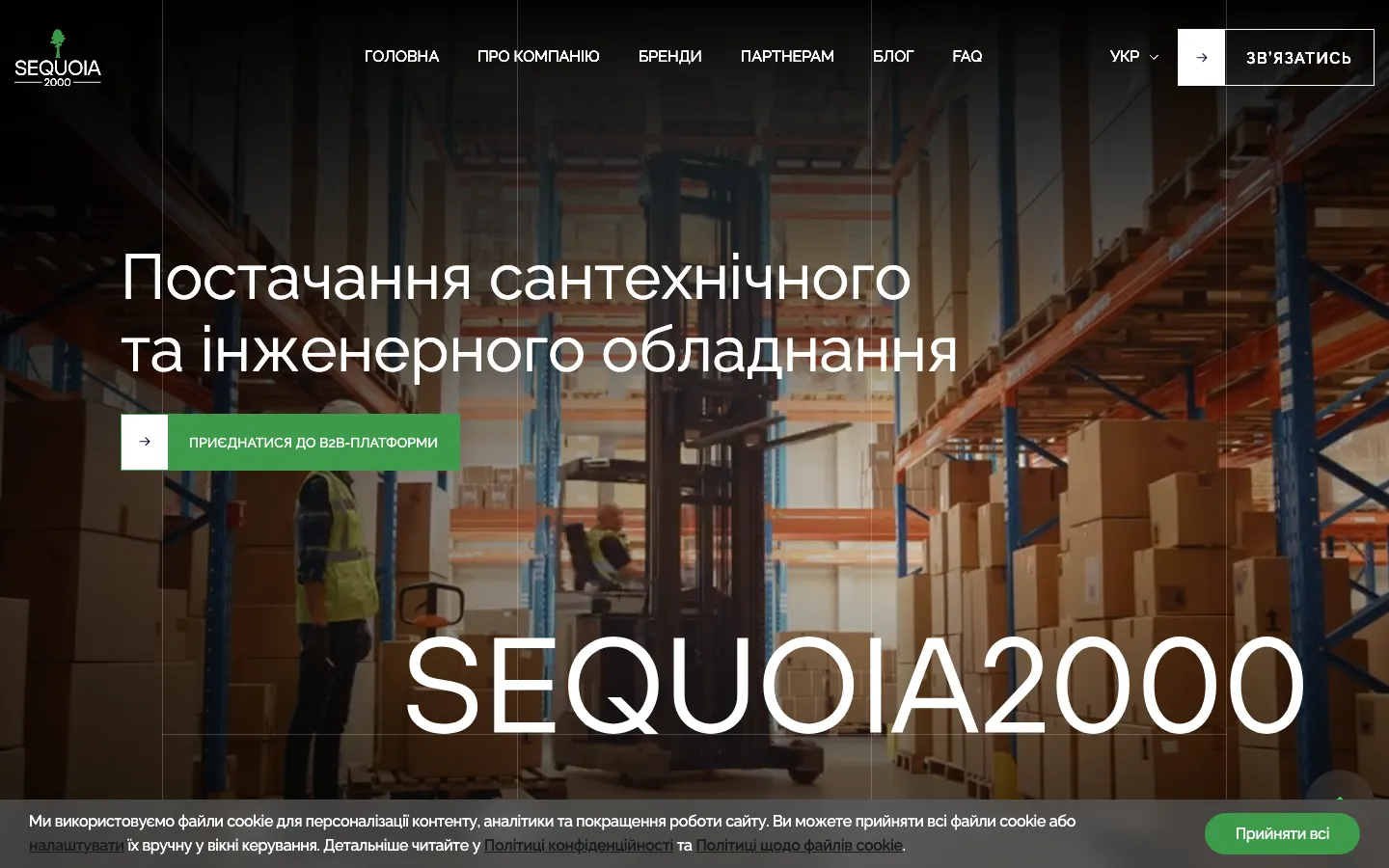
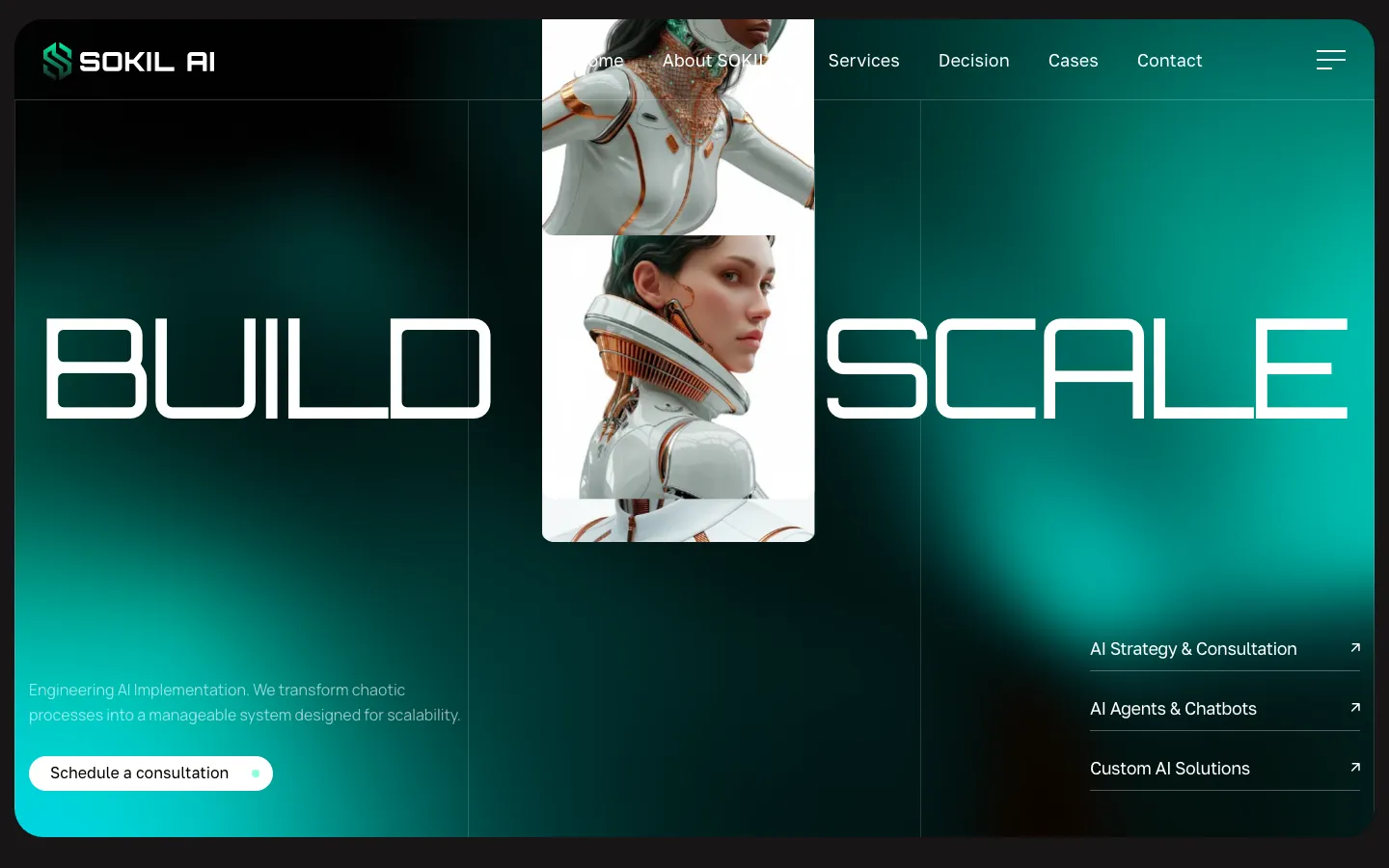
Examples from our portfolio in Poland and other markets, selected for the type of work. Each case describes the scope we delivered.
Scope and starting prices
- Logo and basic applications
- from €500
- Visual identity
- from €1 000
- Brandbook and agreed templates
- from €2 000
These are HeadPills starting prices. The final amount covers the agreed scope; content, translation, production and third-party costs must be identified in the proposal.
Full pricingQuestions
Before starting your project
Can we order branding and a website for our Porto business together?
Yes. We agree the identity deliverables and website scope separately, then coordinate their approval and handover. Packaging, copywriting and third-party production are included only when named in the proposal.
Is HeadPills based in Porto?
HeadPills is based in Wrocław, Poland. We work remotely through a written brief, shared previews and agreed approvals. Any in-person meeting would be arranged in Wrocław.
How are the price and delivery date agreed?
First we agree the deliverables, functions and approval stages. The proposal states the scope, price, content dependencies and delivery date. Additional languages, licences and platform fees are identified separately.
Tell us what you want to build.
For an initial estimate, include:
- Your offer, audience and current website or identity
- Launch materials, languages and who reviews the local copy
- Required integrations or editable templates, deadline and decision-maker
An outline is enough. We do not need passwords or your customers’ personal records.